Coloring pages are a fun and creative way to relax, learn, and enjoy art for both kids and adults. On this page, you’ll find a wide variety of free printable coloring pages in PDF format, ready to download and print in A4 size. From simple designs for children to detailed illustrations for adults, our collection offers something for everyone who loves coloring.
We cover many popular themes, including animals, cars, holidays, superheroes, mandalas, unicorns, and much more. Whether you are looking for easy coloring pages for kids or more complex designs for stress relief and mindfulness, you’ll find endless options here.
All our coloring sheets are provided as free PDFs, making them perfect for school projects, home activities, or creative breaks. Simply download, print, and bring each page to life with your favorite colors. Start exploring our growing library of coloring pages for kids and adults today and let your creativity shine!
Browse Coloring Pages by Category – Easy Print, Black & White Collections
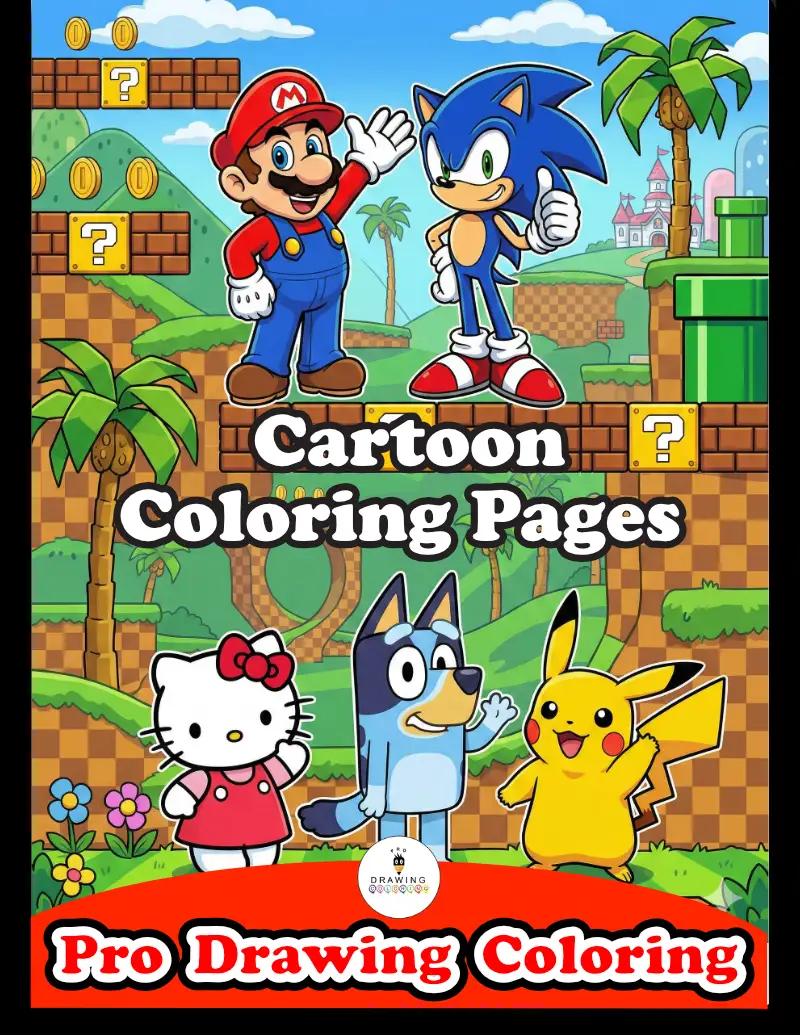
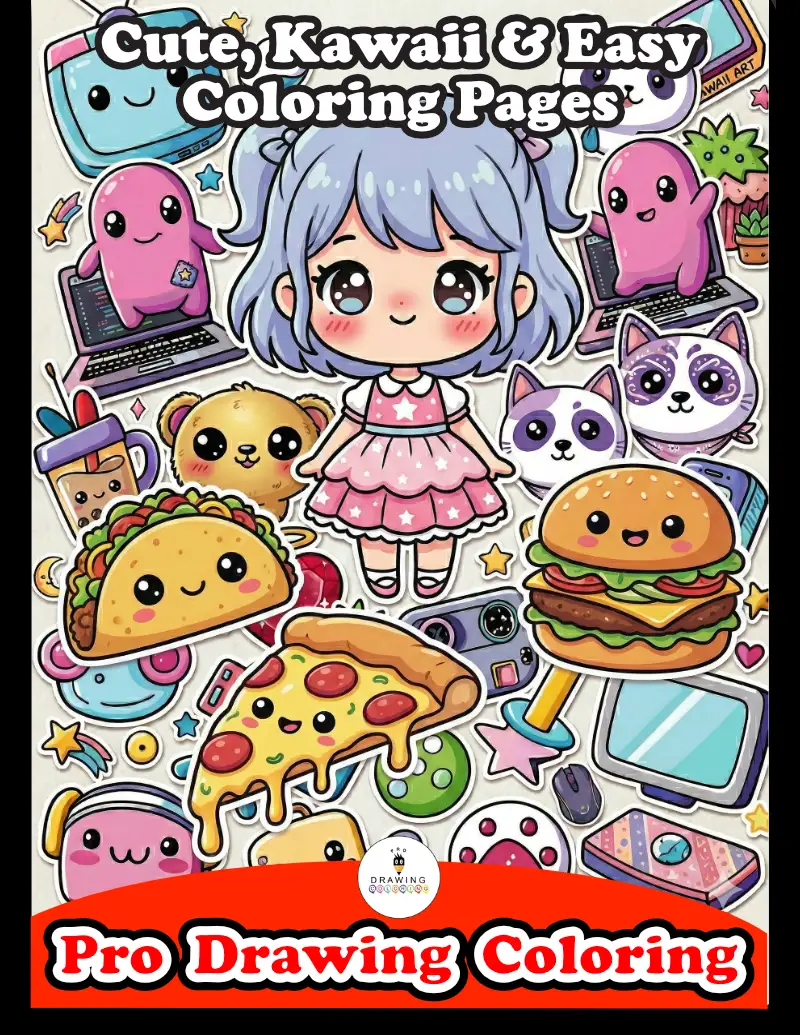
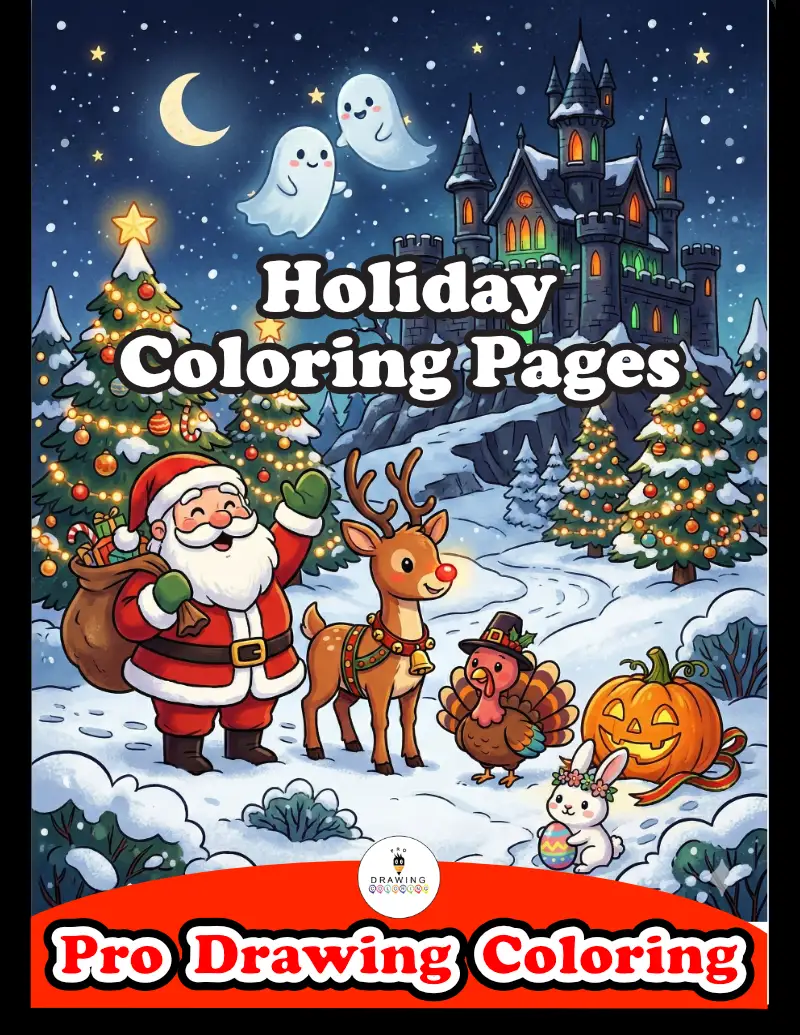
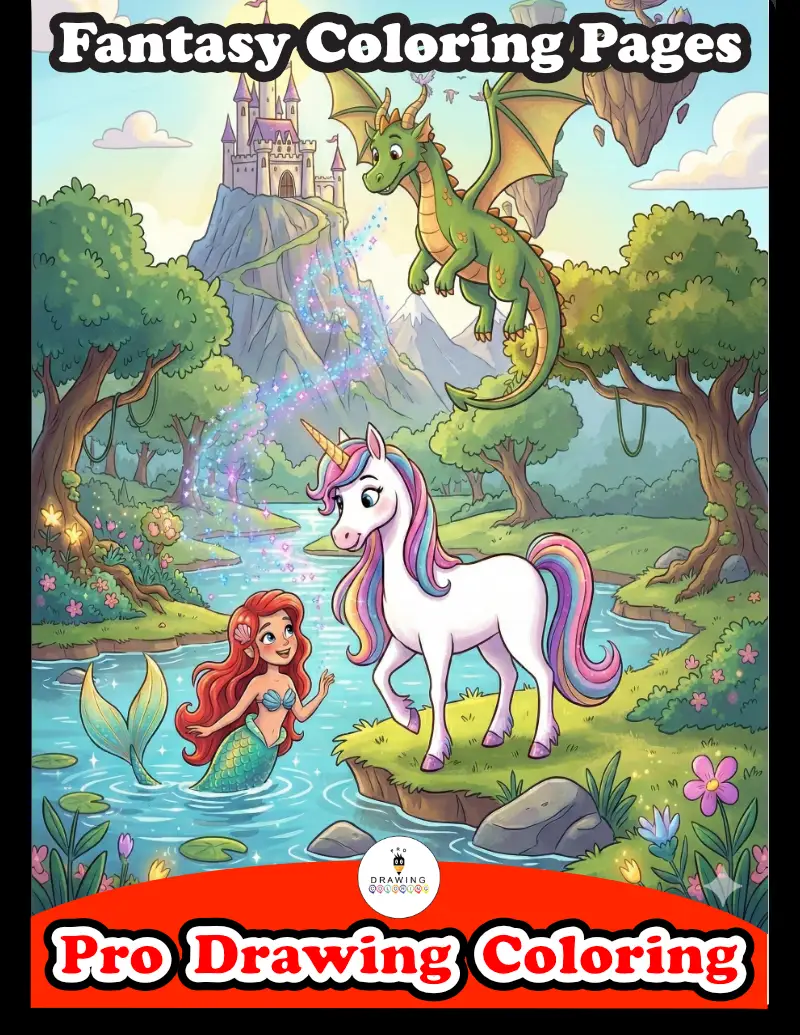
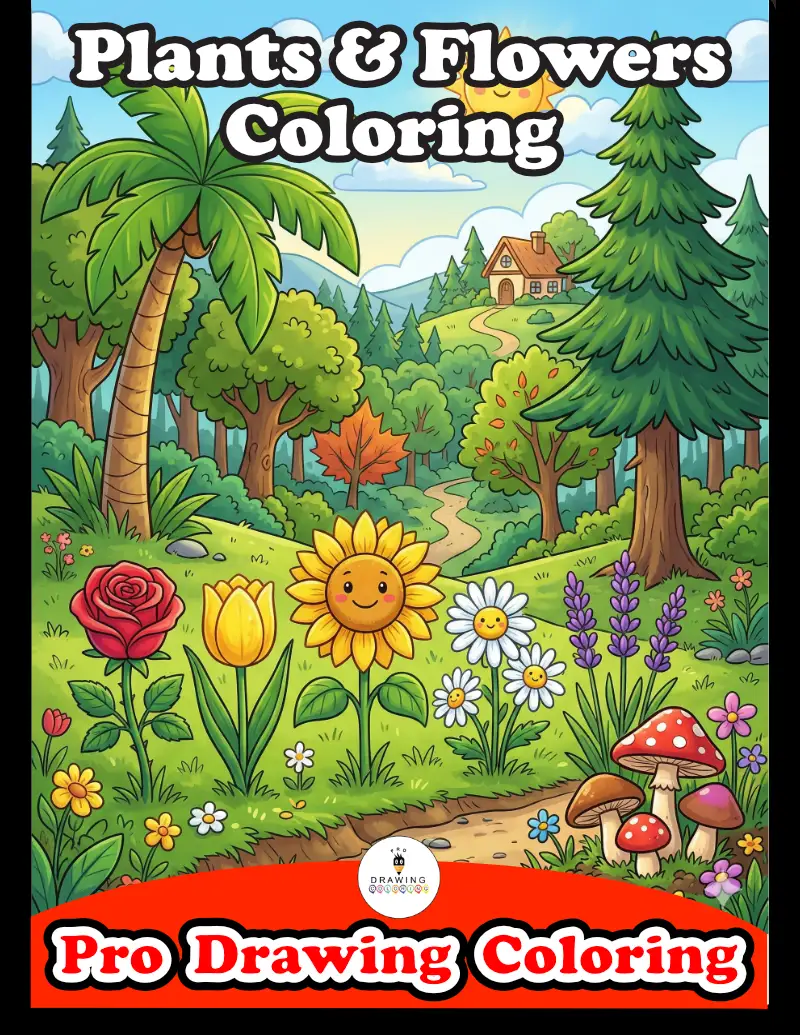
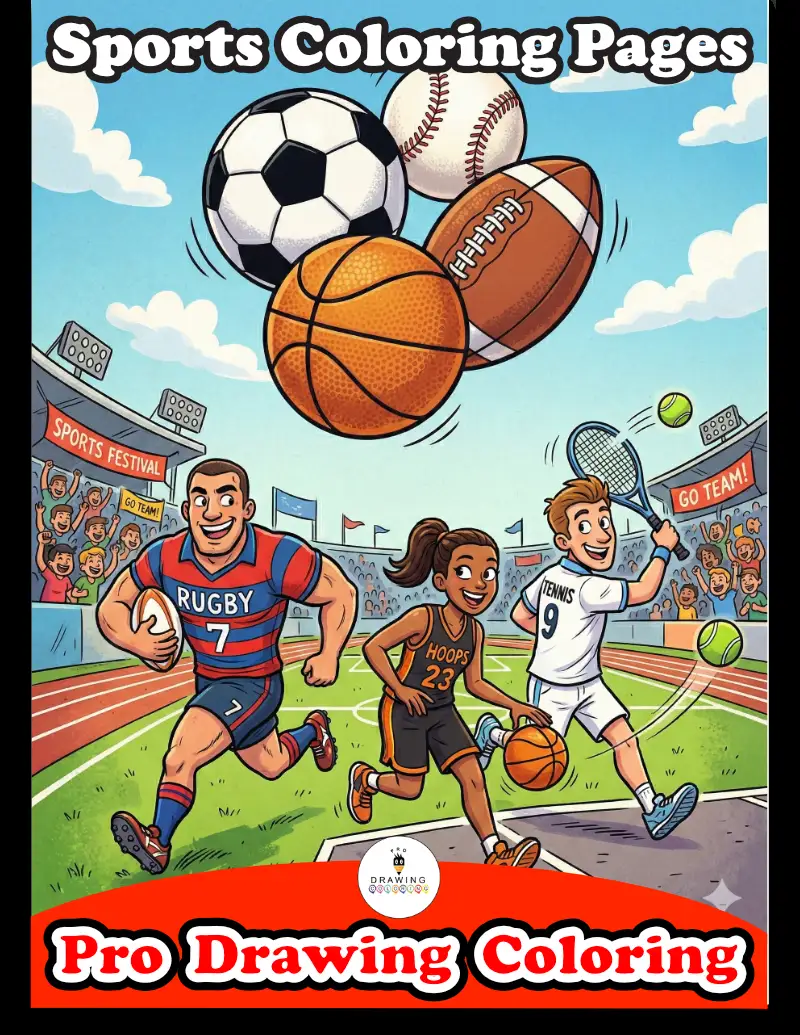
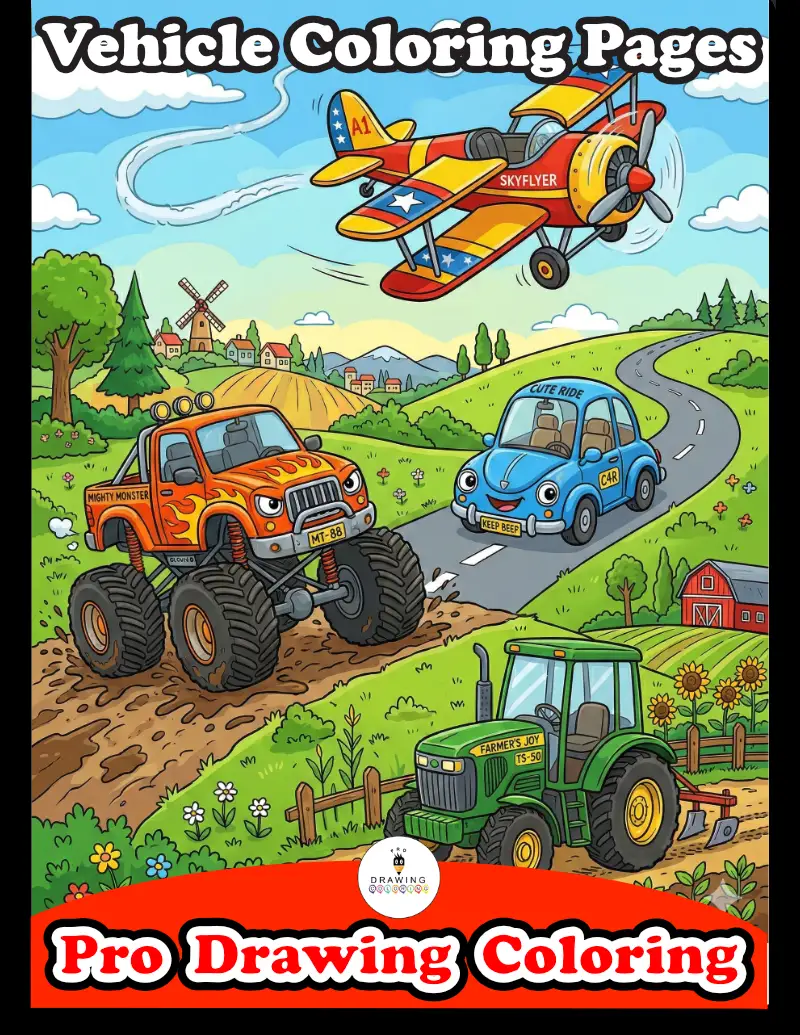
Favorite Cartoon Characters – Free PDF Printable, Easy & New Collections
Bluey Coloring Pages
Stitch Coloring Pages
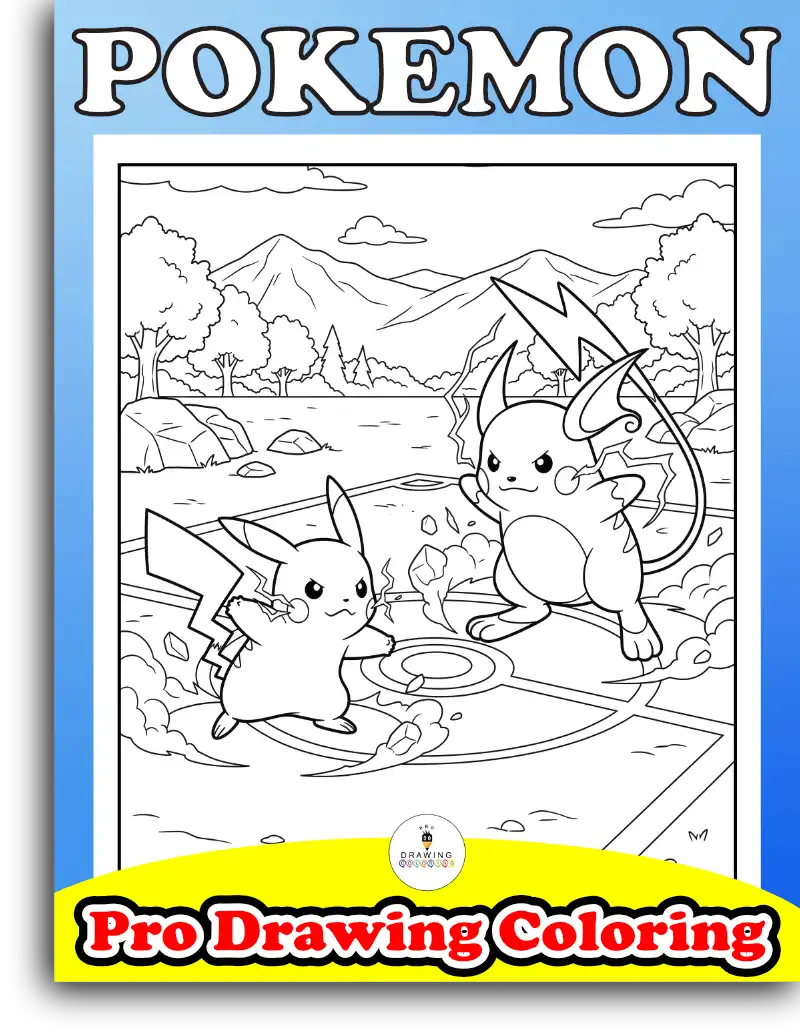
Pokemon Coloring Pages
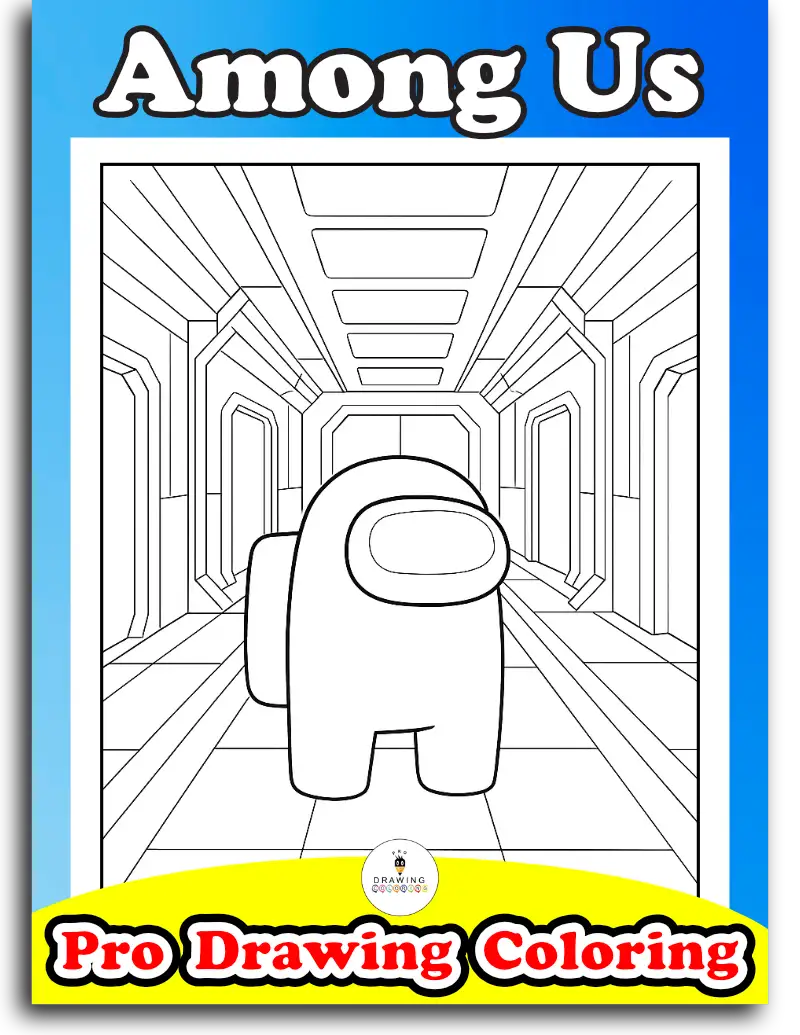
Among Us Coloring Pages
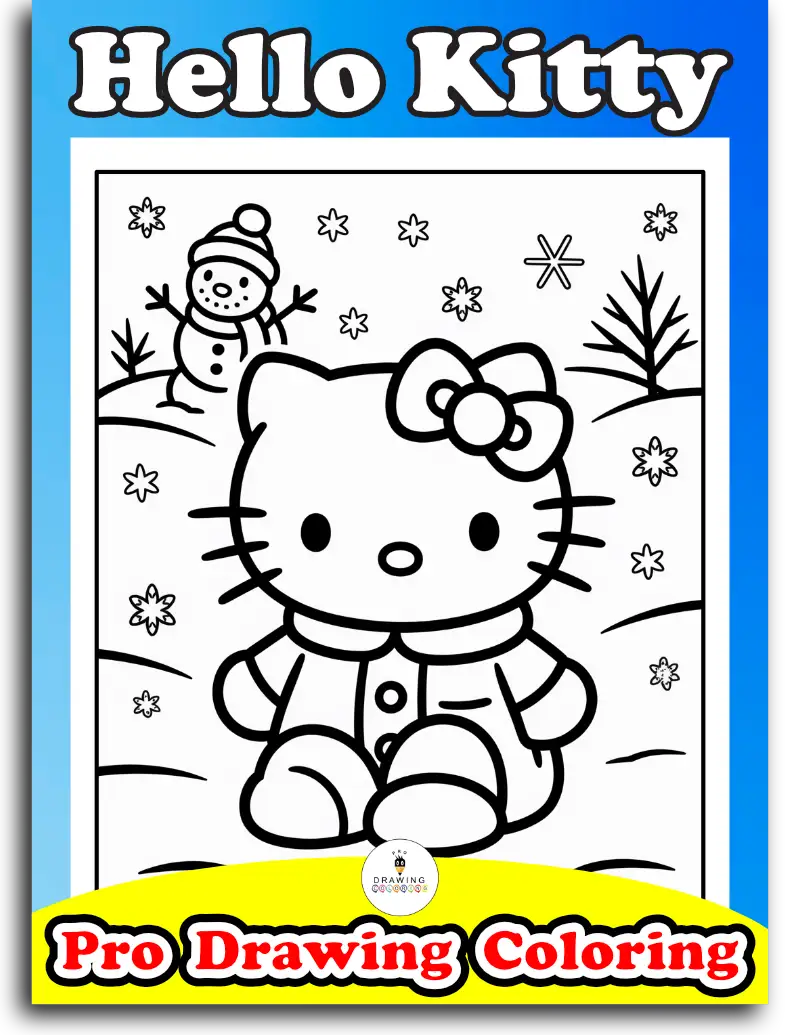
Hello Kitty Coloring Pages

Kuromi Coloring Pages
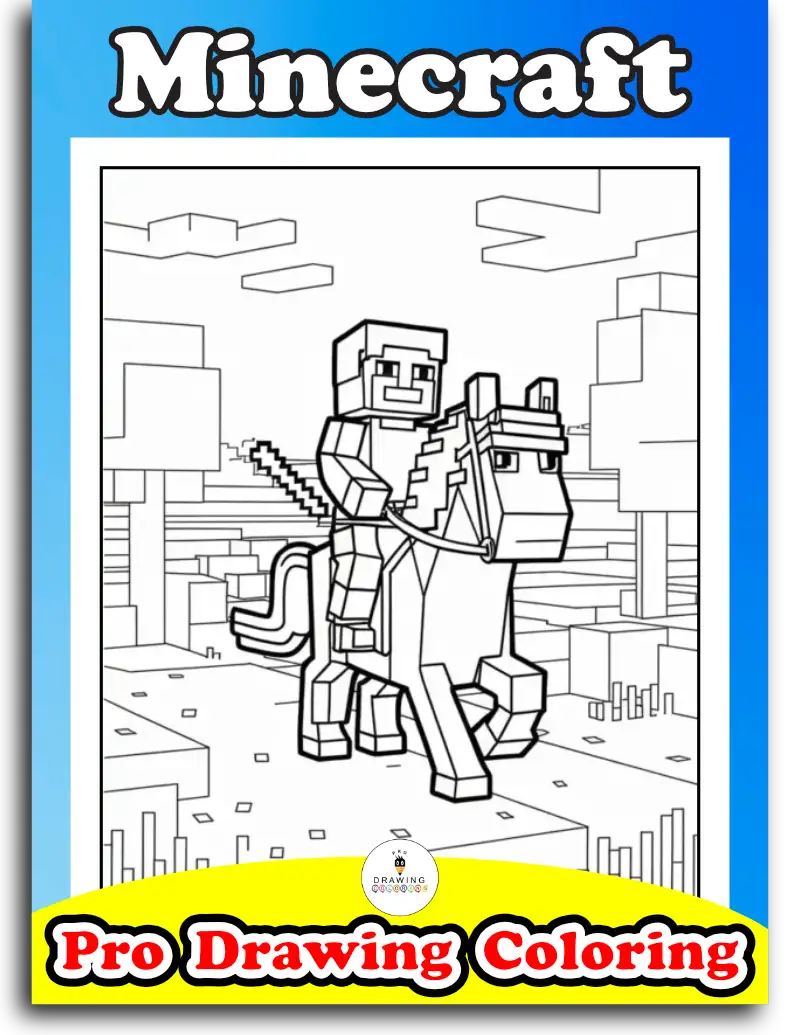
Minecraft Coloring Pages
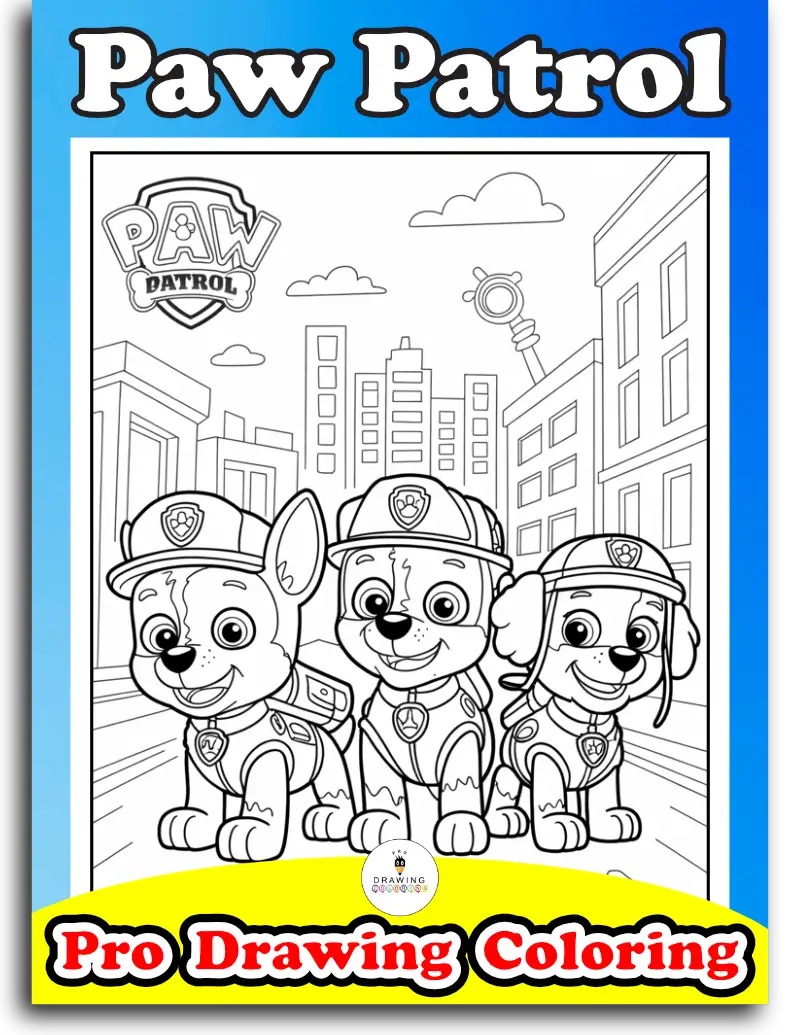
Paw Patrol Coloring Pages
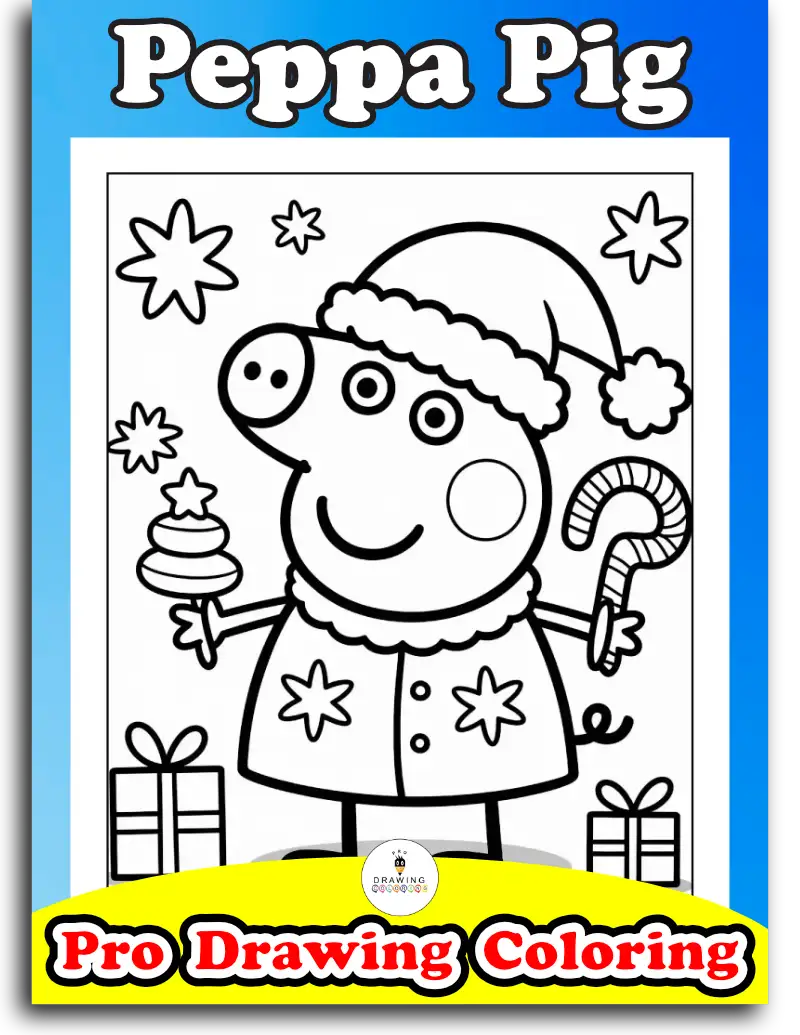
Peppa Pig Coloring Pages
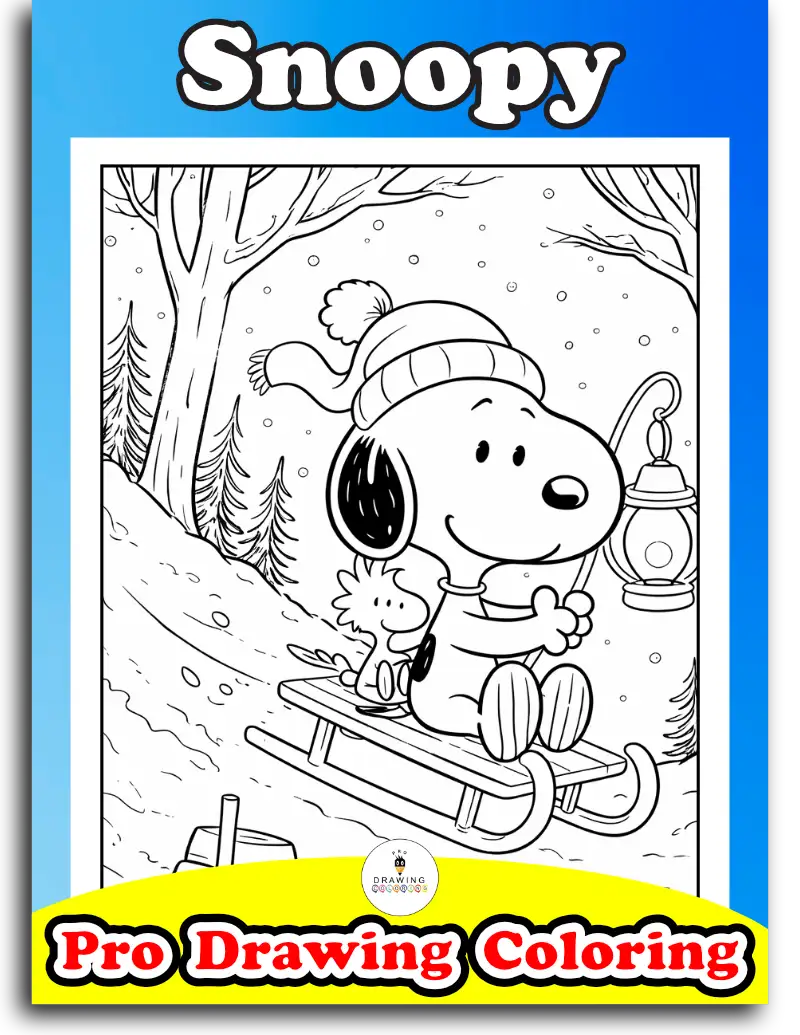
Snoopy Coloring Pages
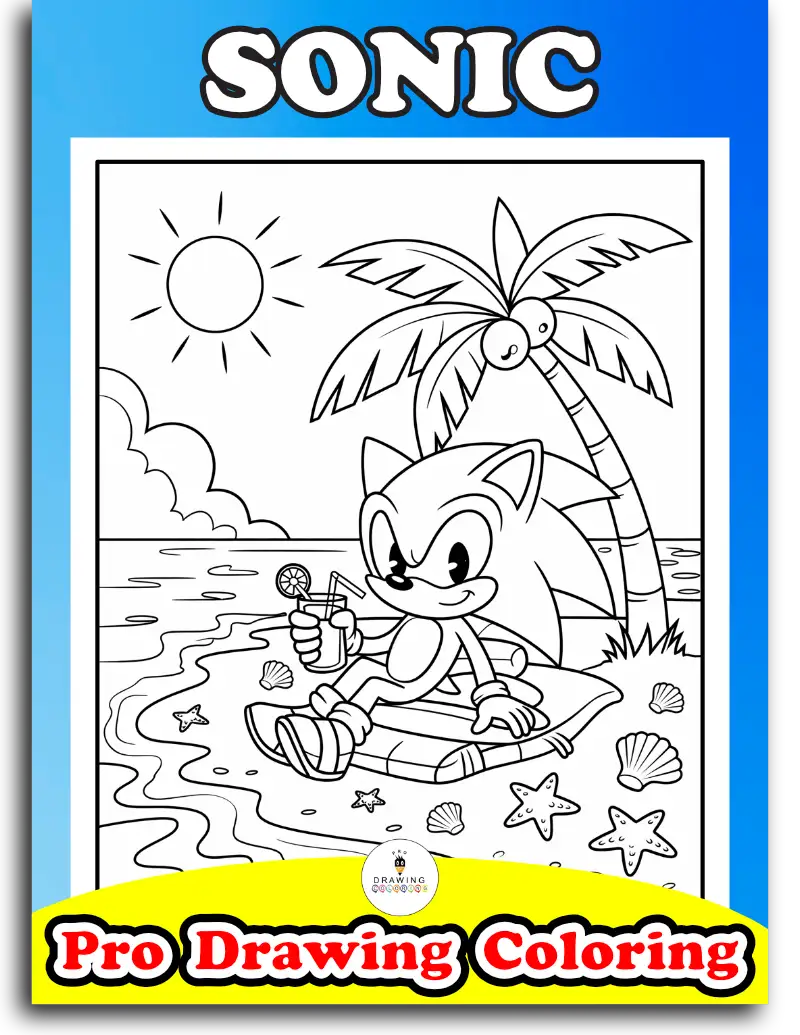
Sonic Coloring Pages
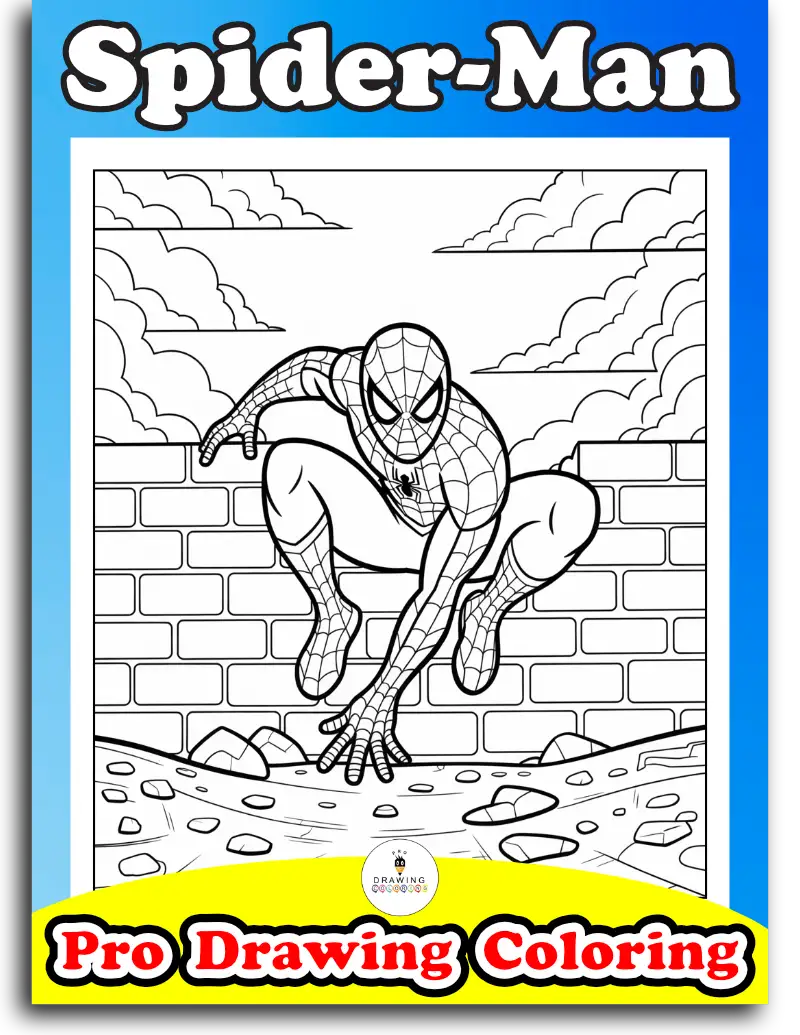
Spiderman Coloring Pages
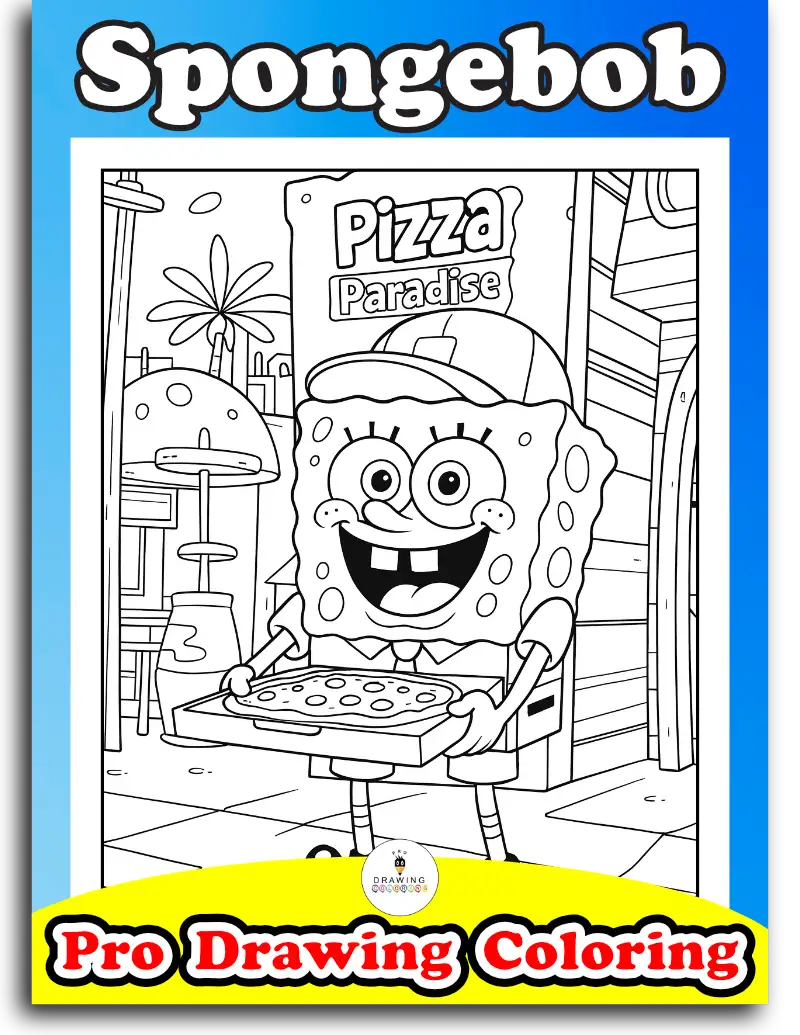
Spongebob Coloring Pages
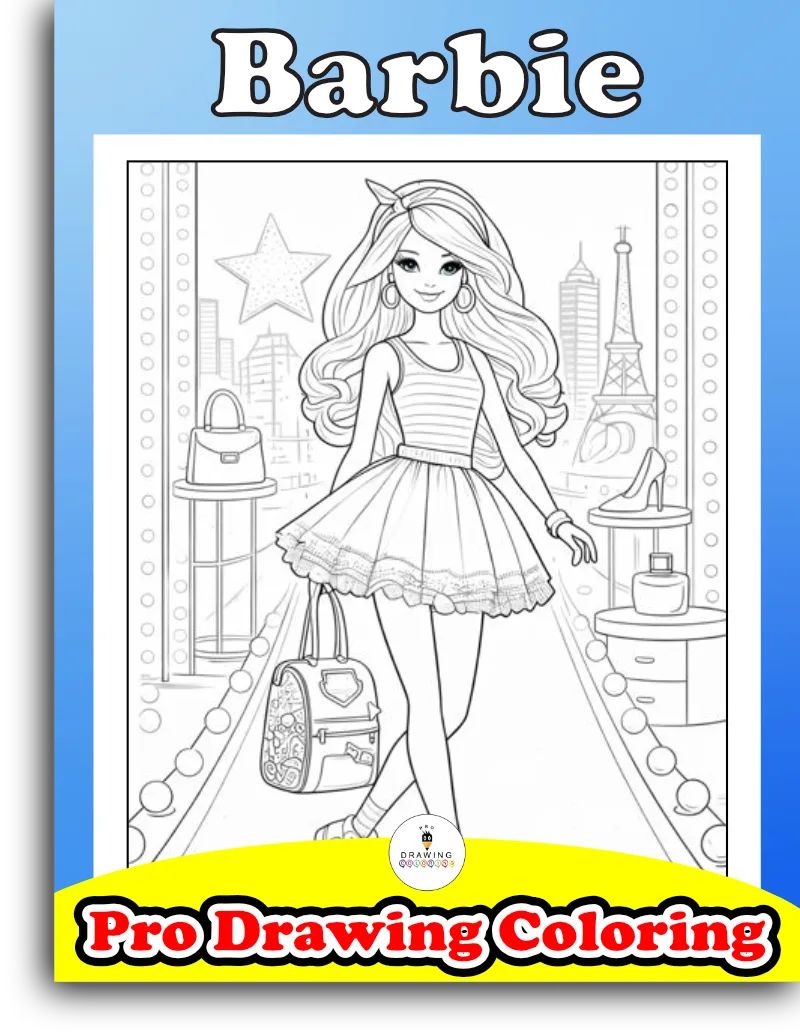
Fashion Barbie Coloring Pages: Free Printable for Girls
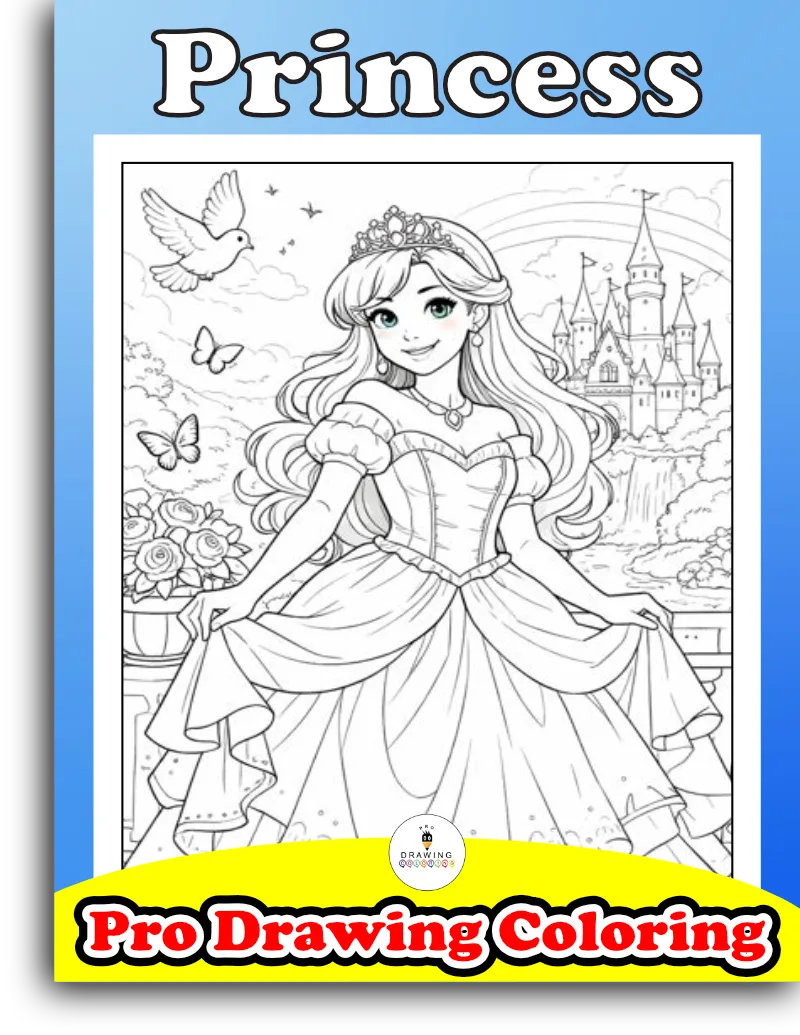
Beautiful Princess & Castle Coloring Pages Collection
Ultimate Fantasy Coloring Collection: Magical & Super Characters
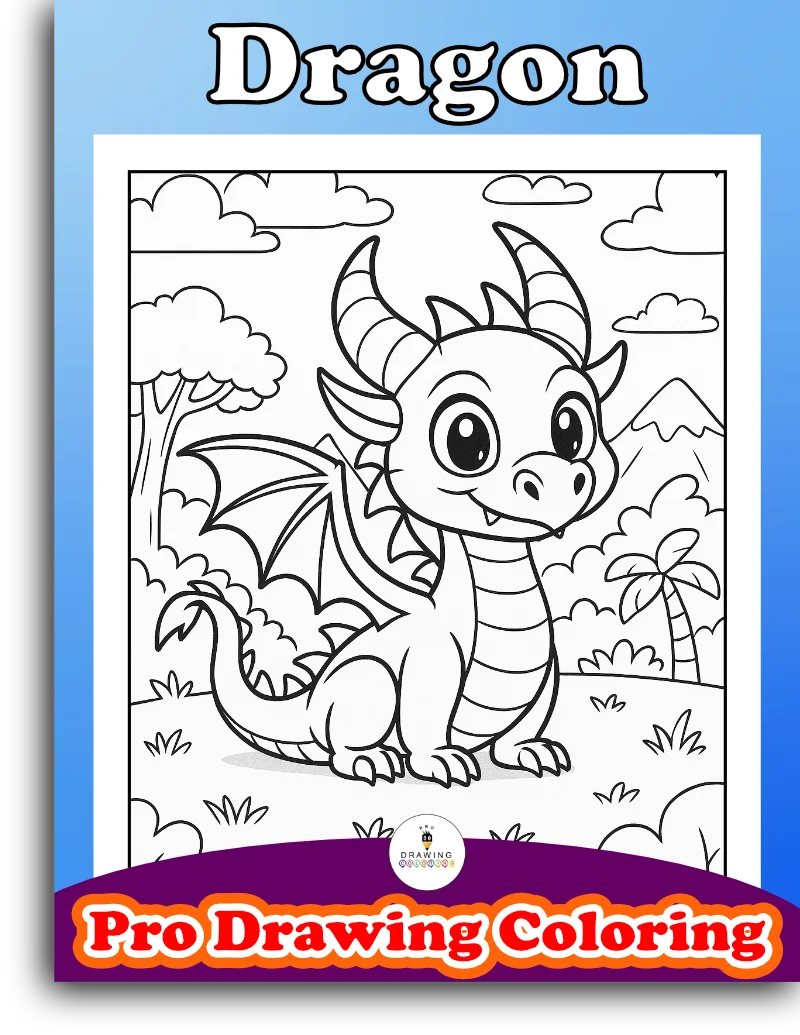
Free Printable Dragon Coloring Pages for Kids
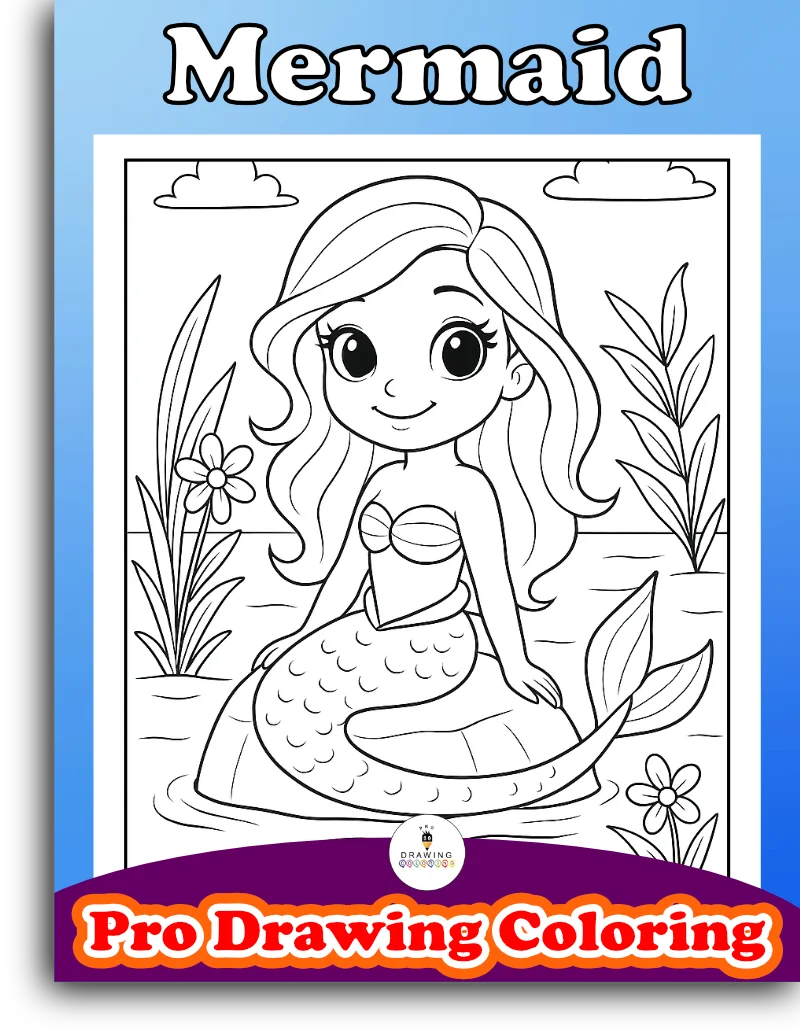
Beautiful Mermaid Girl Coloring Pages Collection
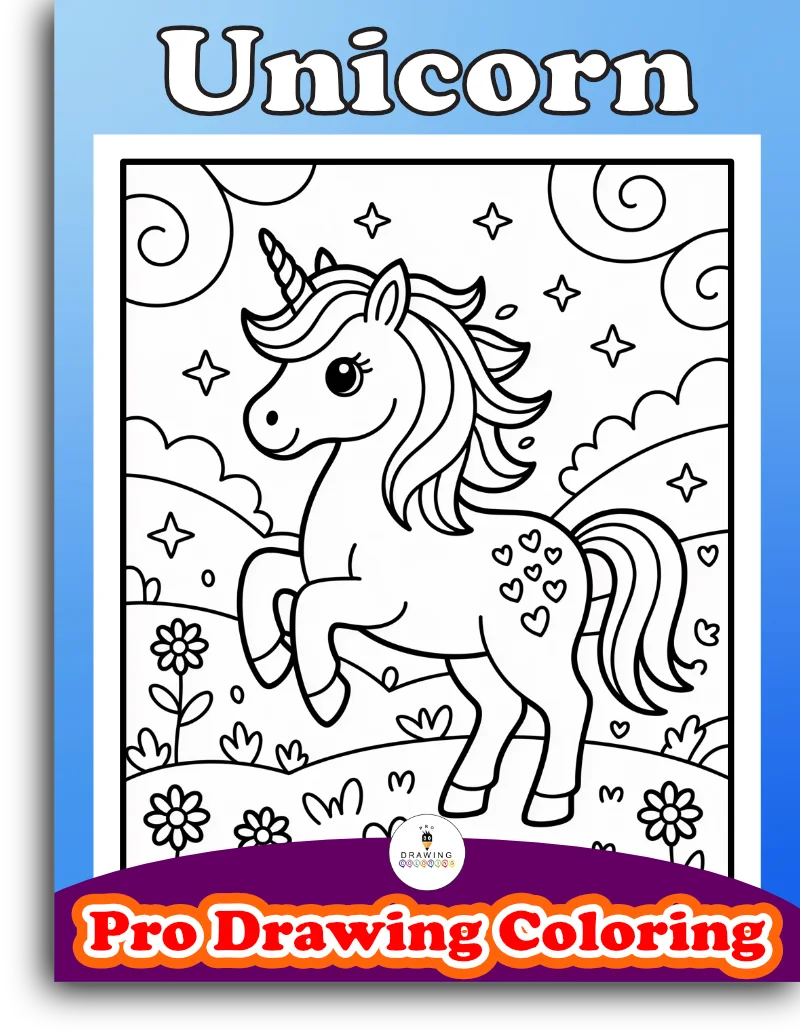
Magical Unicorn Coloring Pages: New Easy Prints
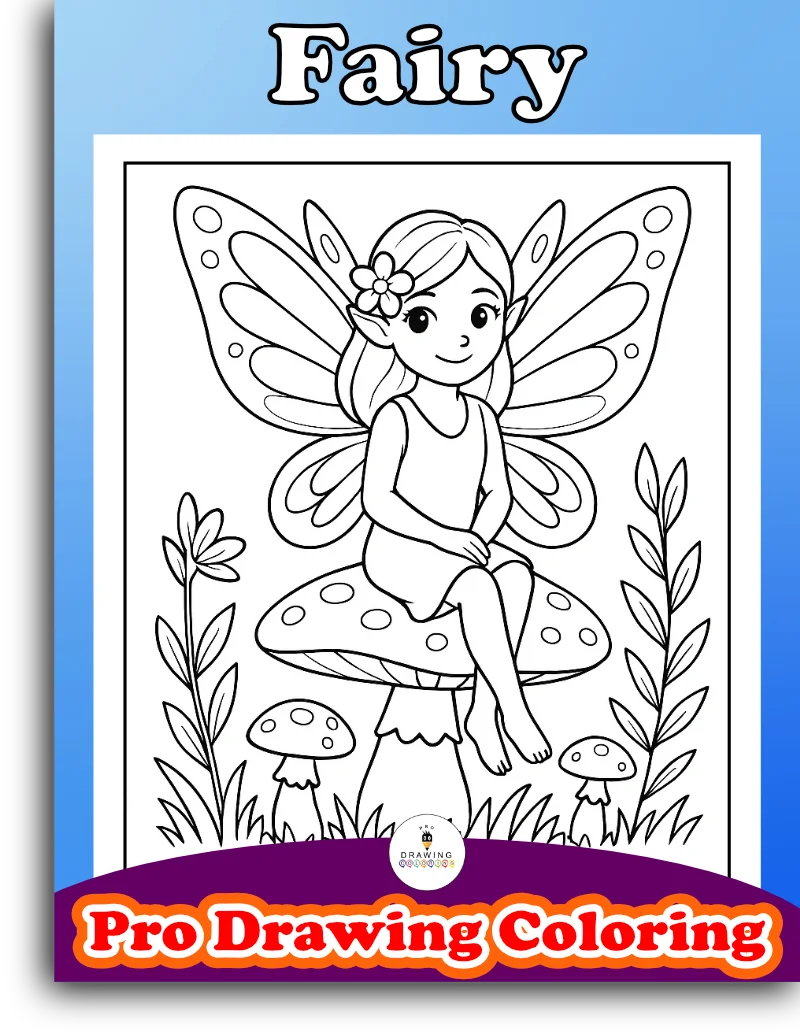
Cute Fairy & Mushroom Coloring Pages for Girls
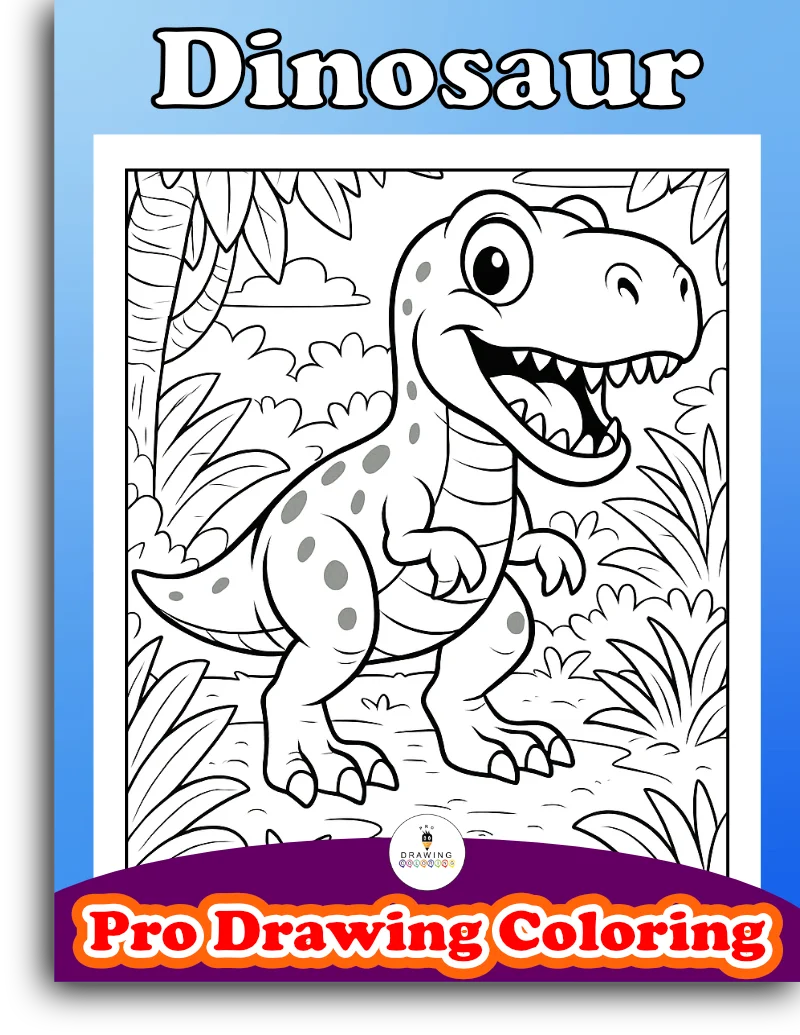
T-Rex & Dinosaur Coloring Pages – Super Fun Collection
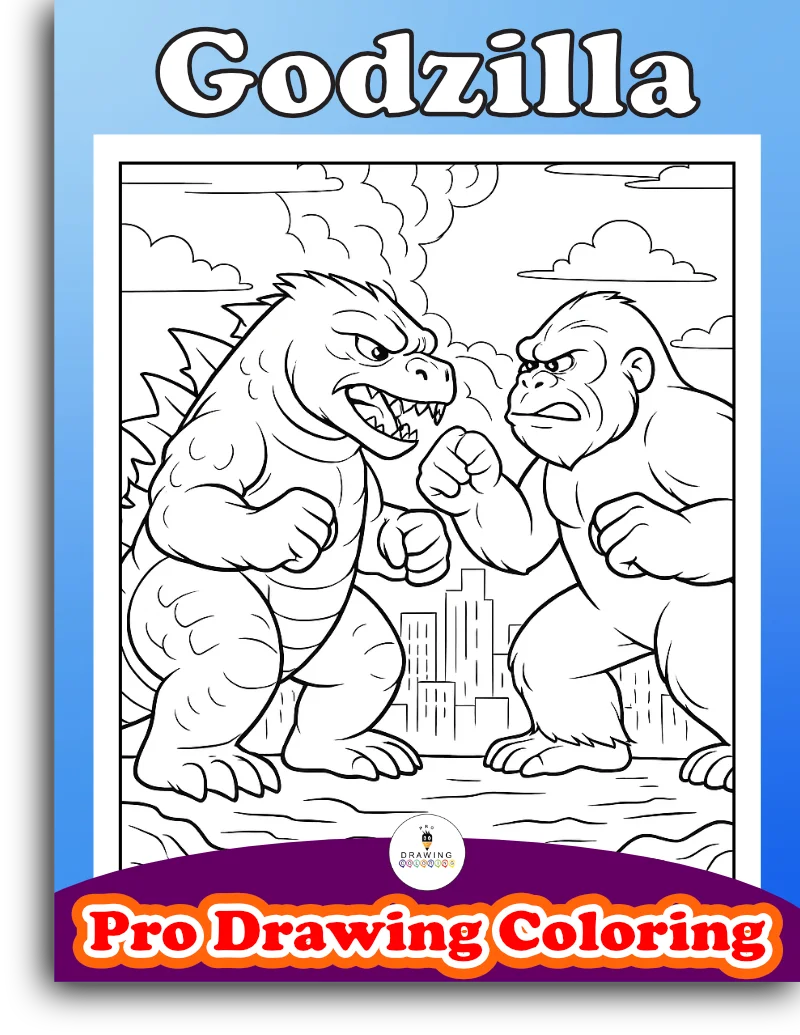
Godzilla vs Kong Coloring Pages for Kids & Adults
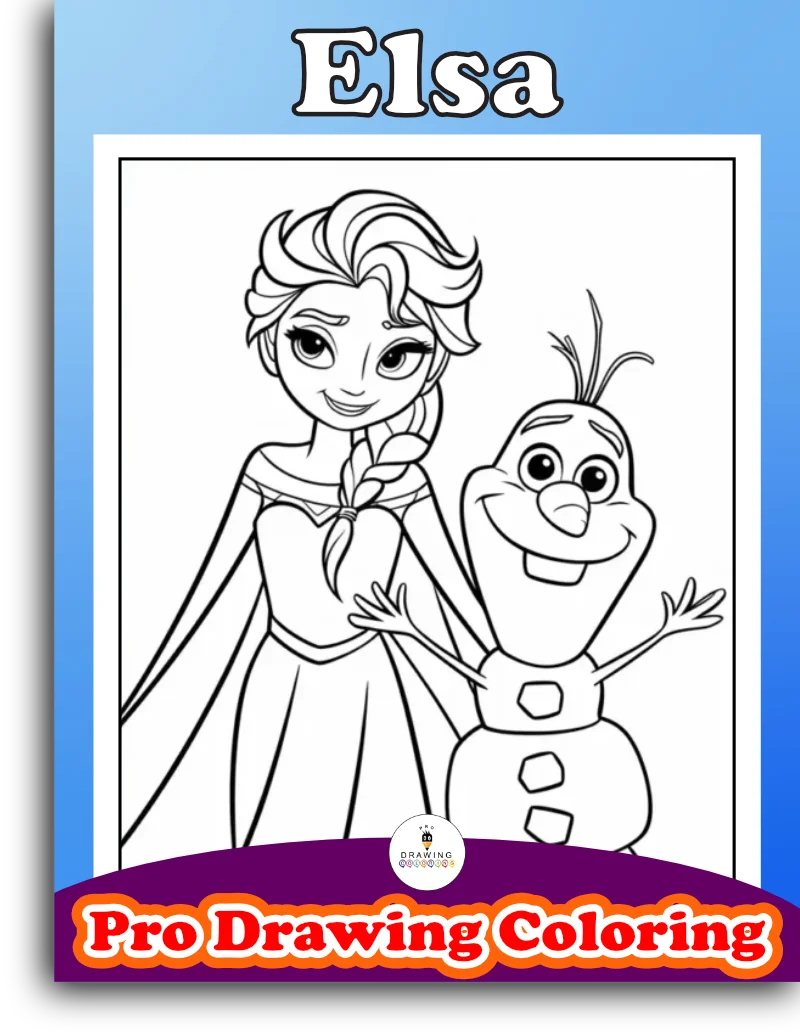
Frozen Elsa & Olaf Coloring Pages: Free PDF Set
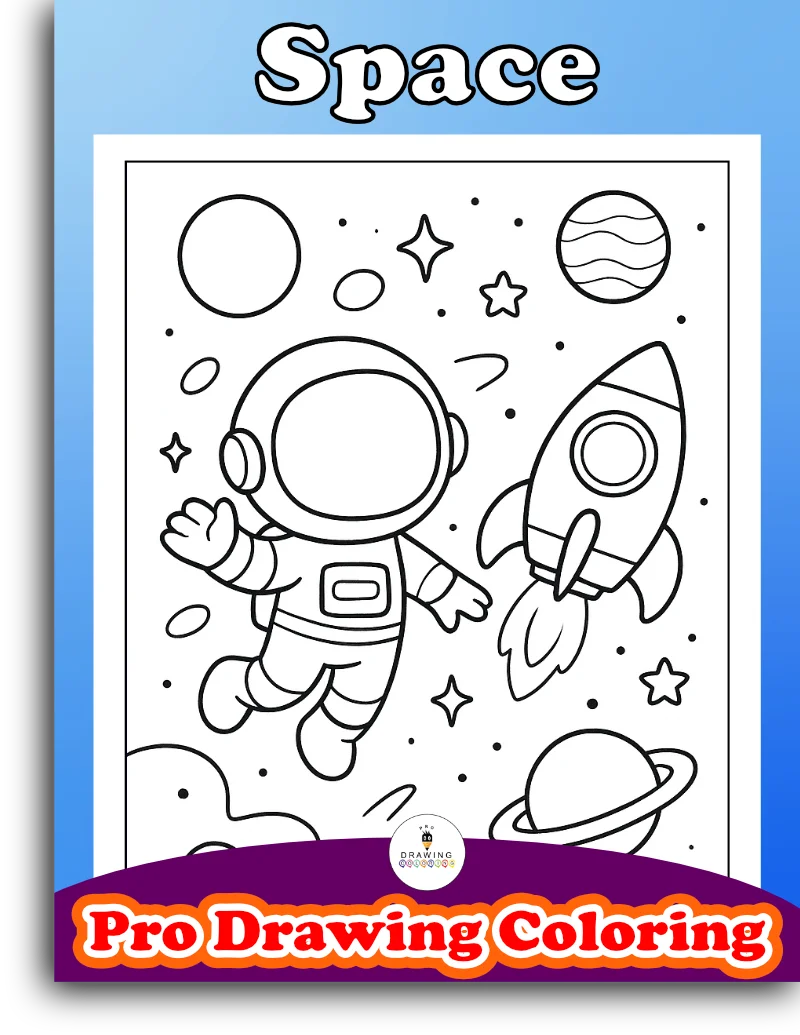
Outer Space & Astronaut Coloring Pages for Kids
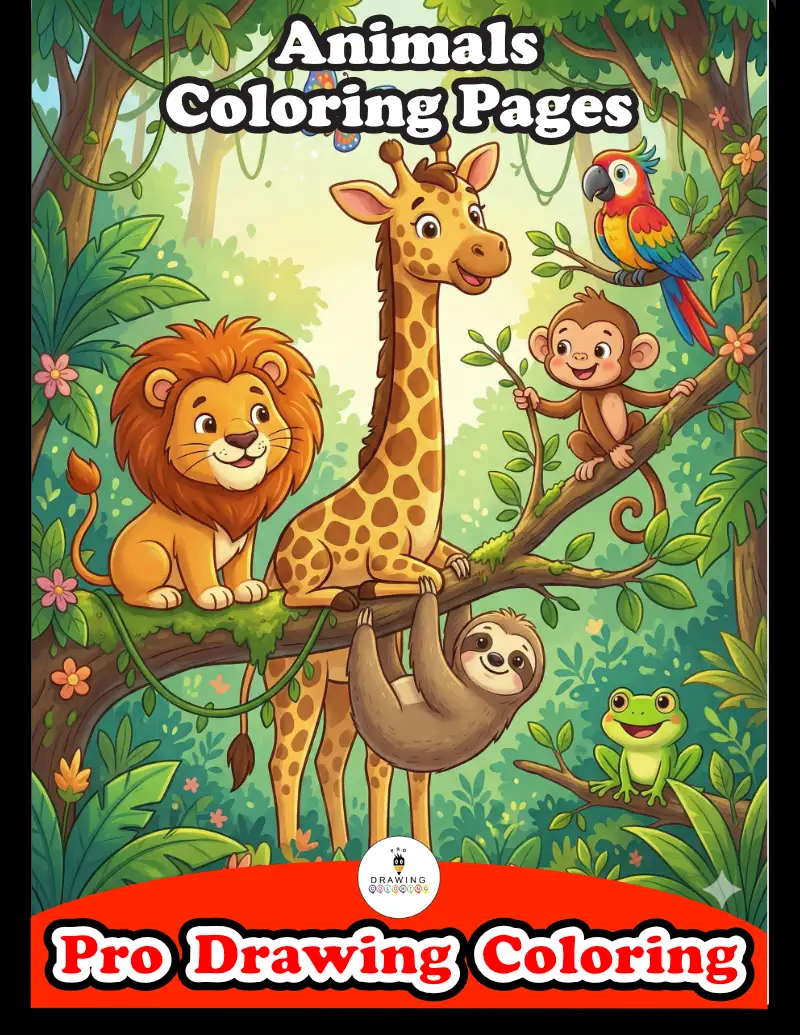
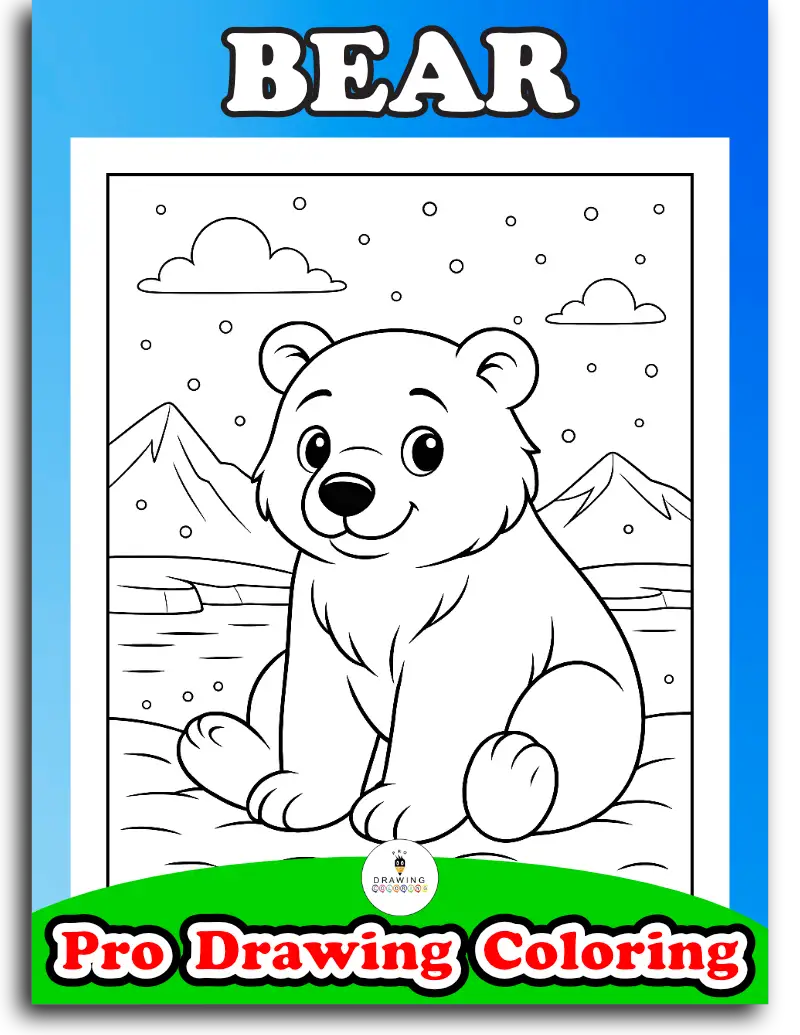
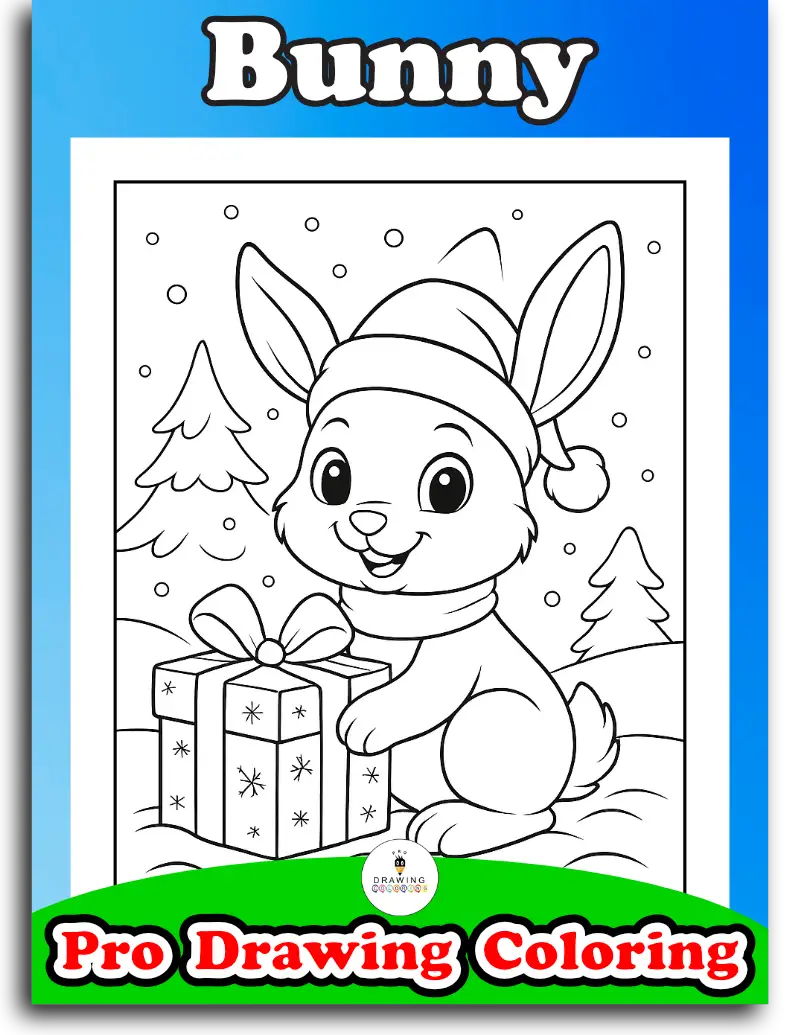
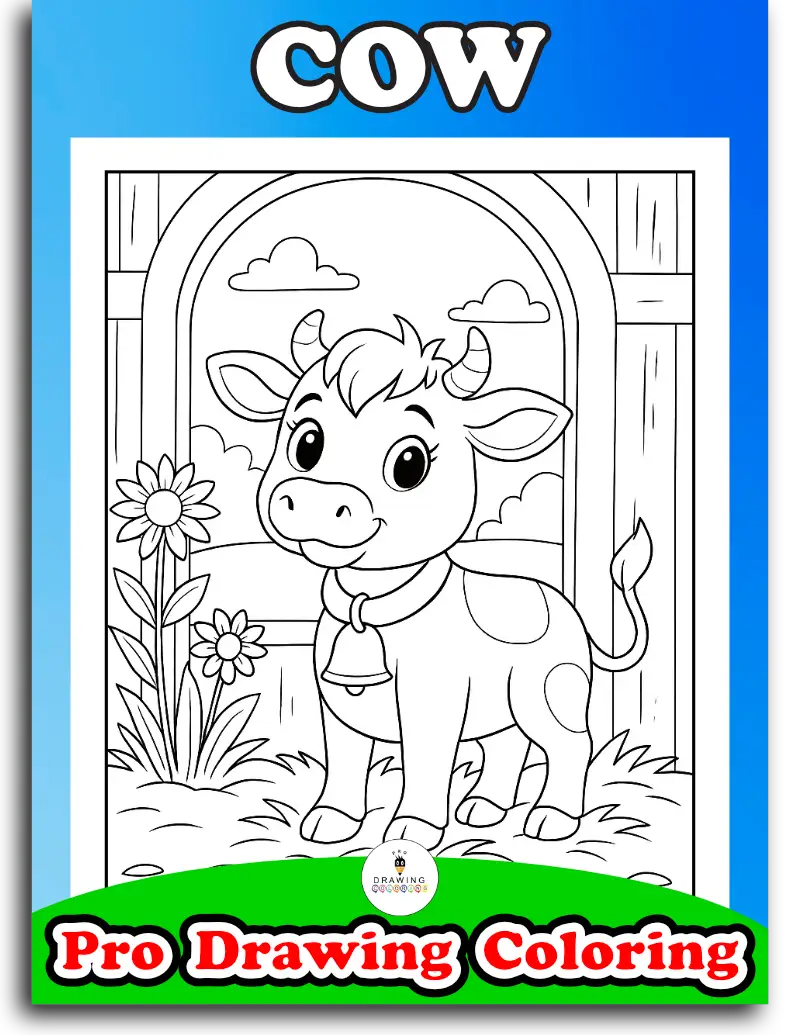
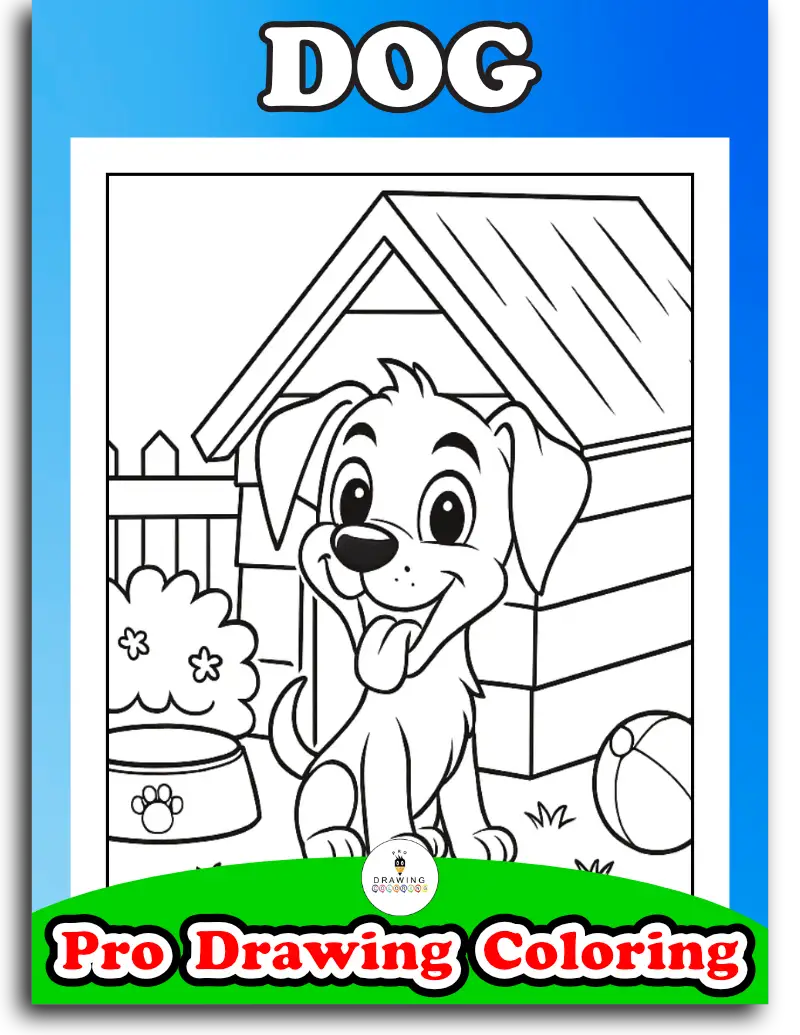
Animal Coloring Pages – Free Printable Wild, Farm & Cute Animals in PDF
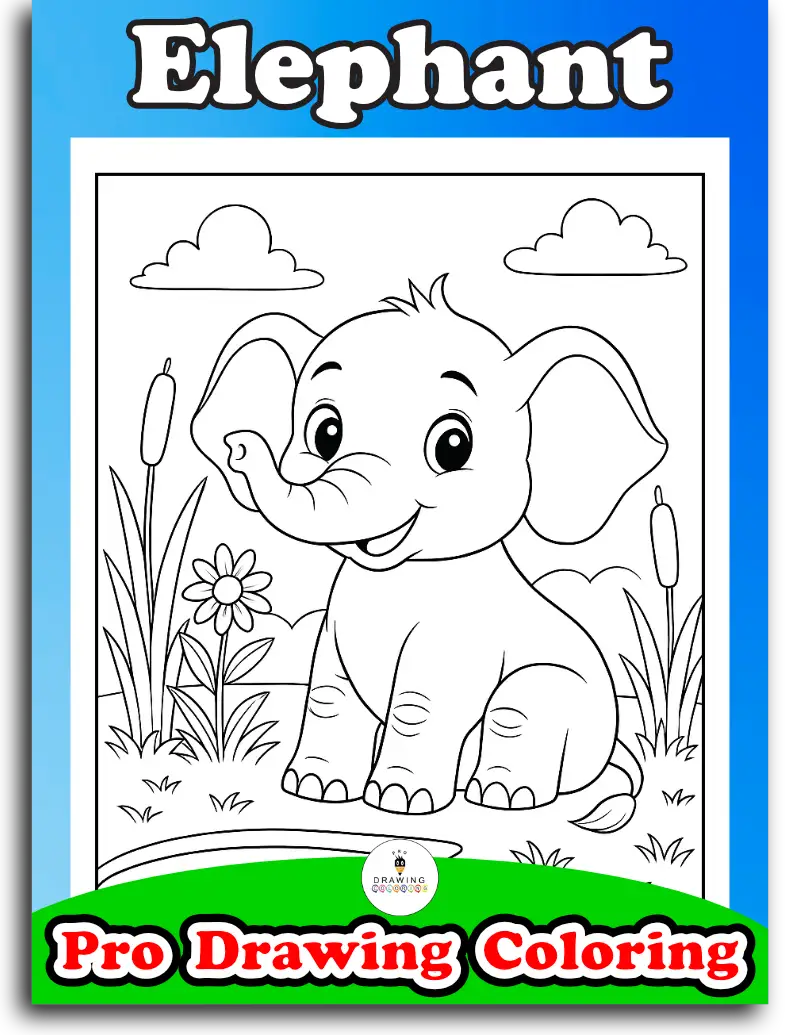
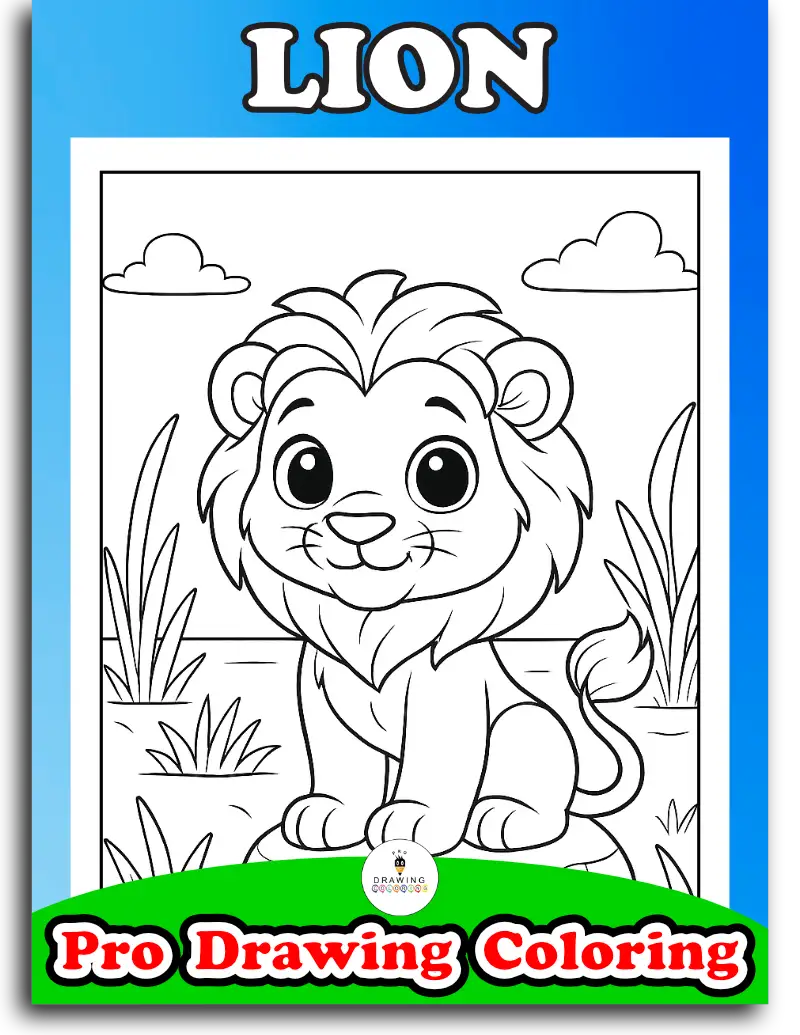
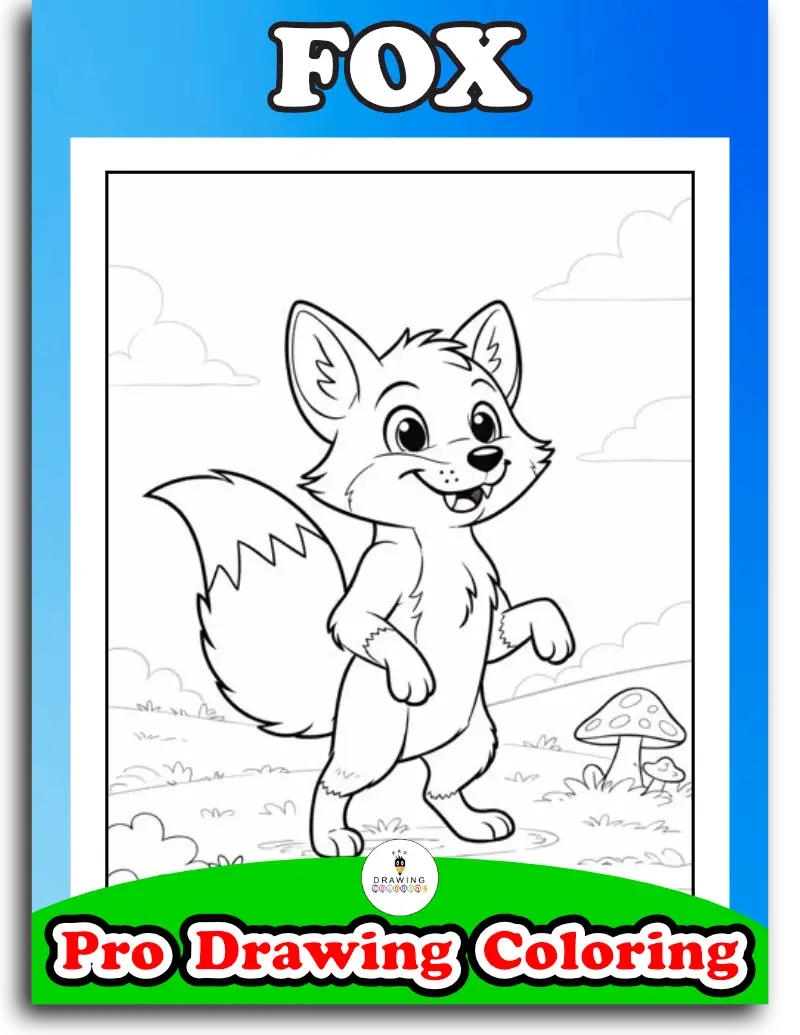
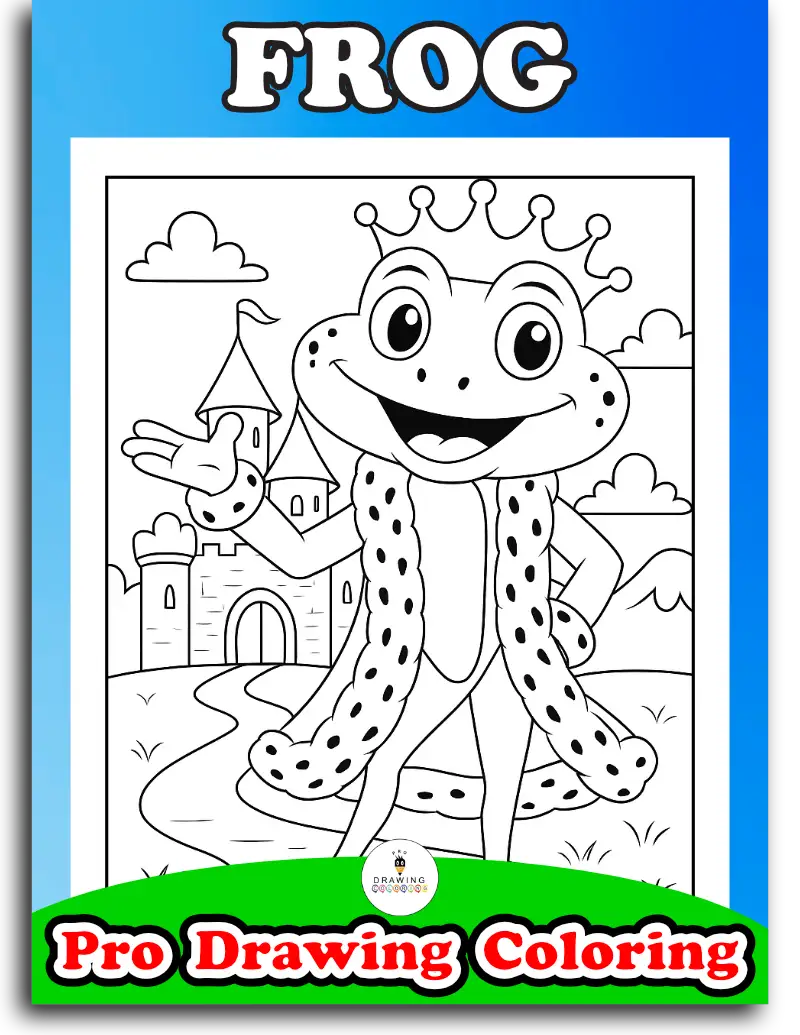
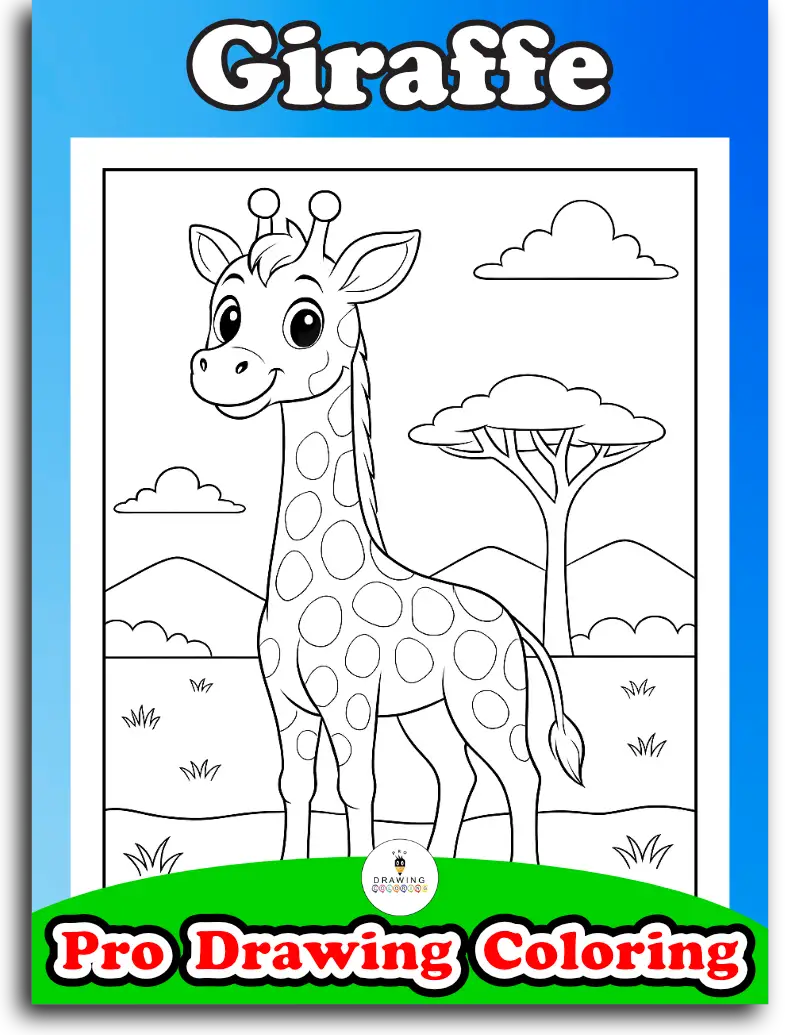
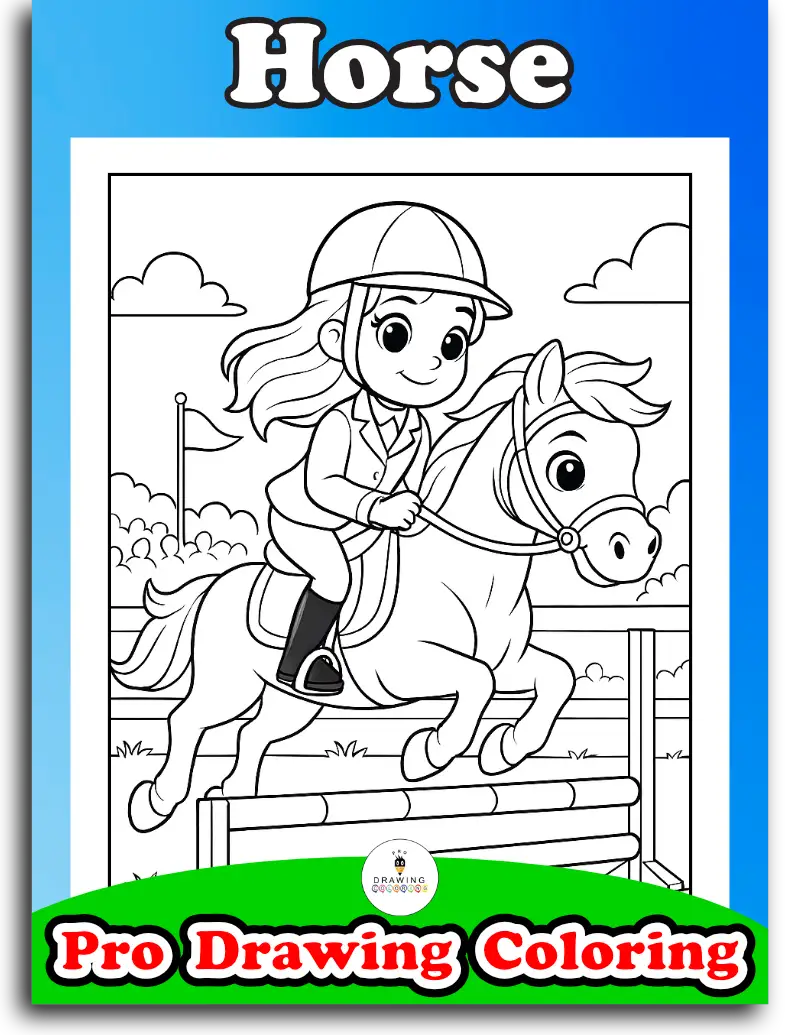
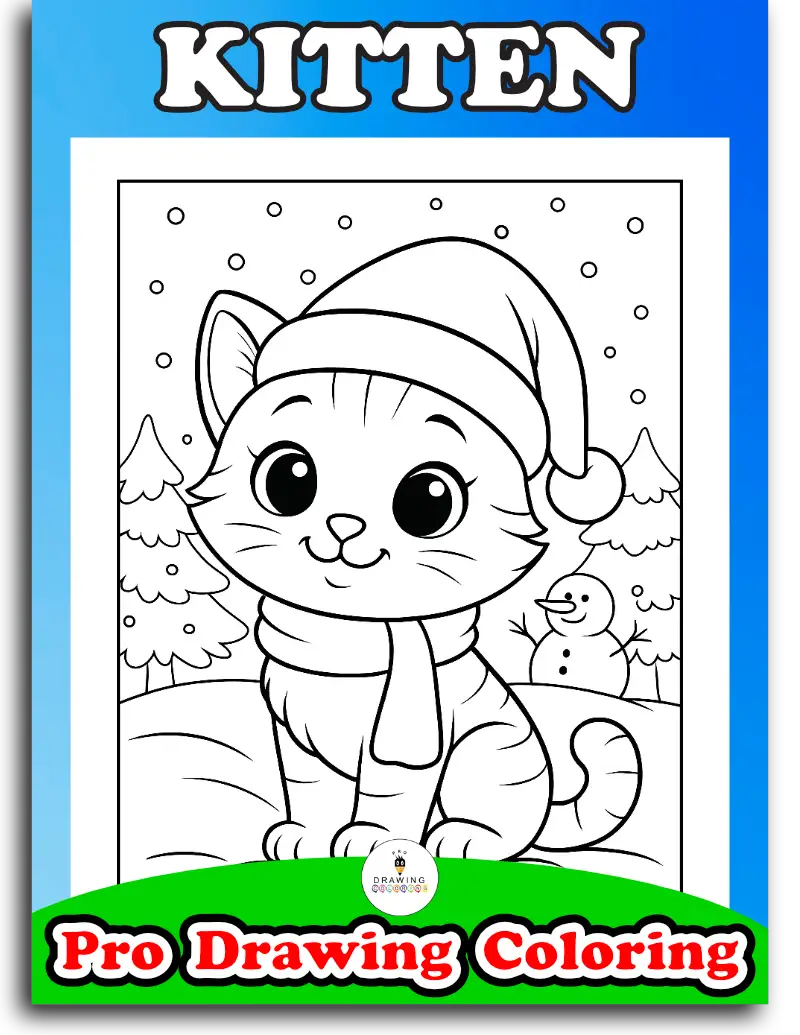
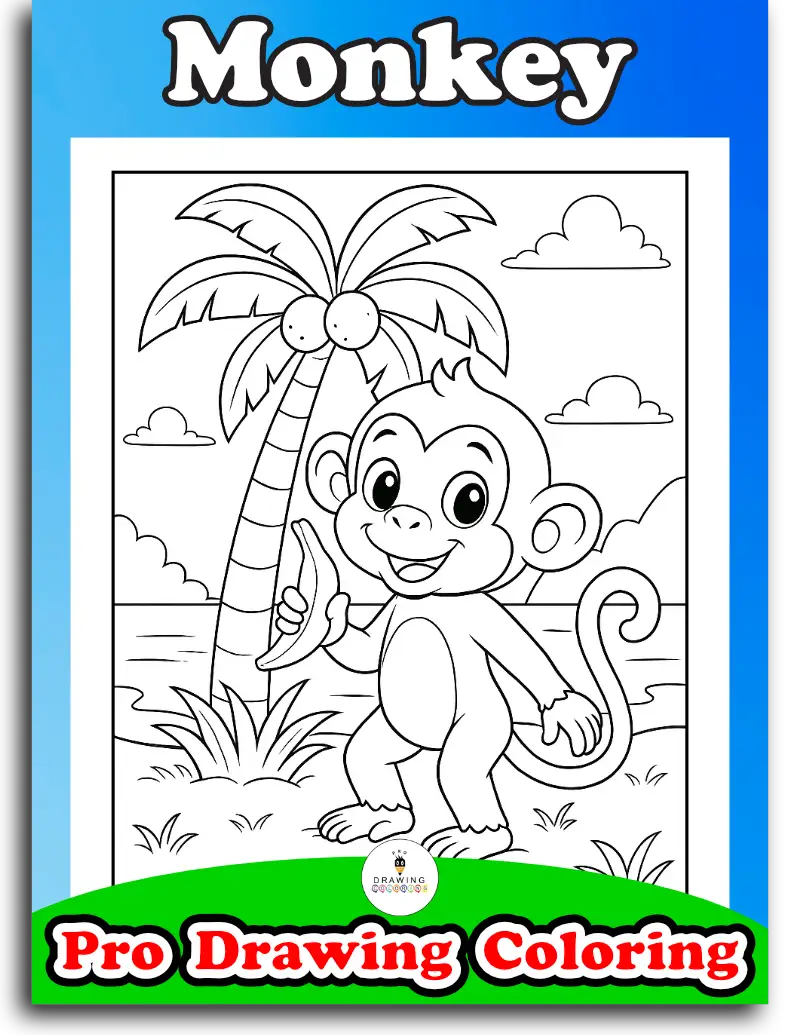
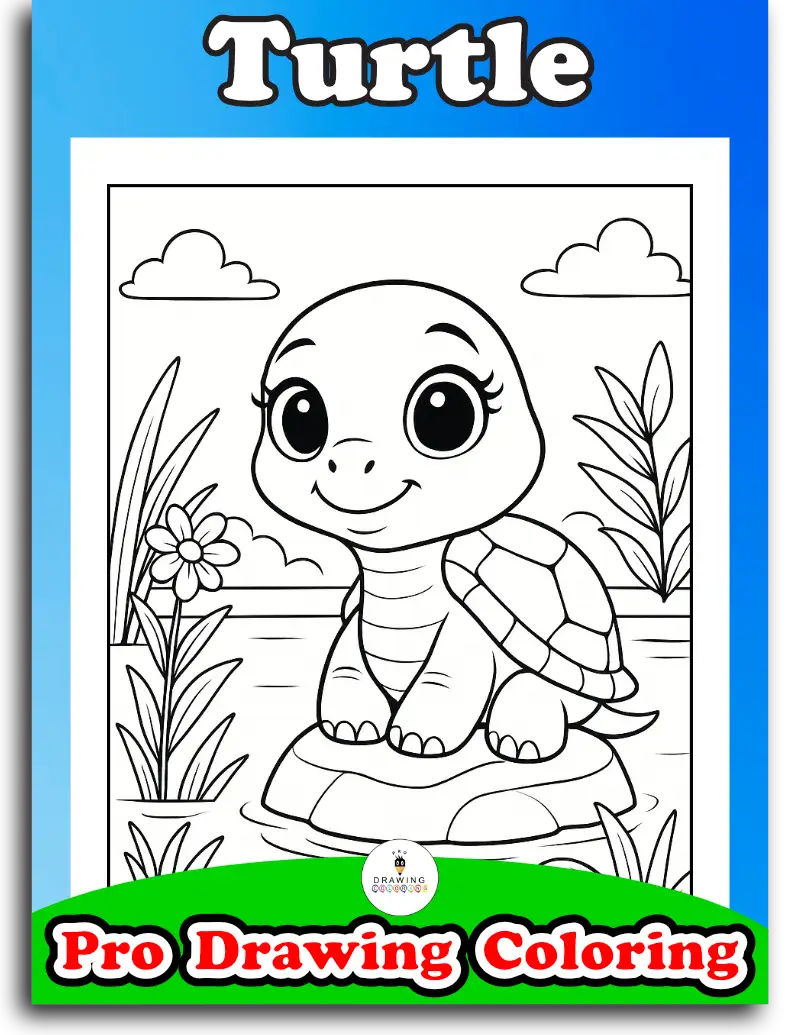
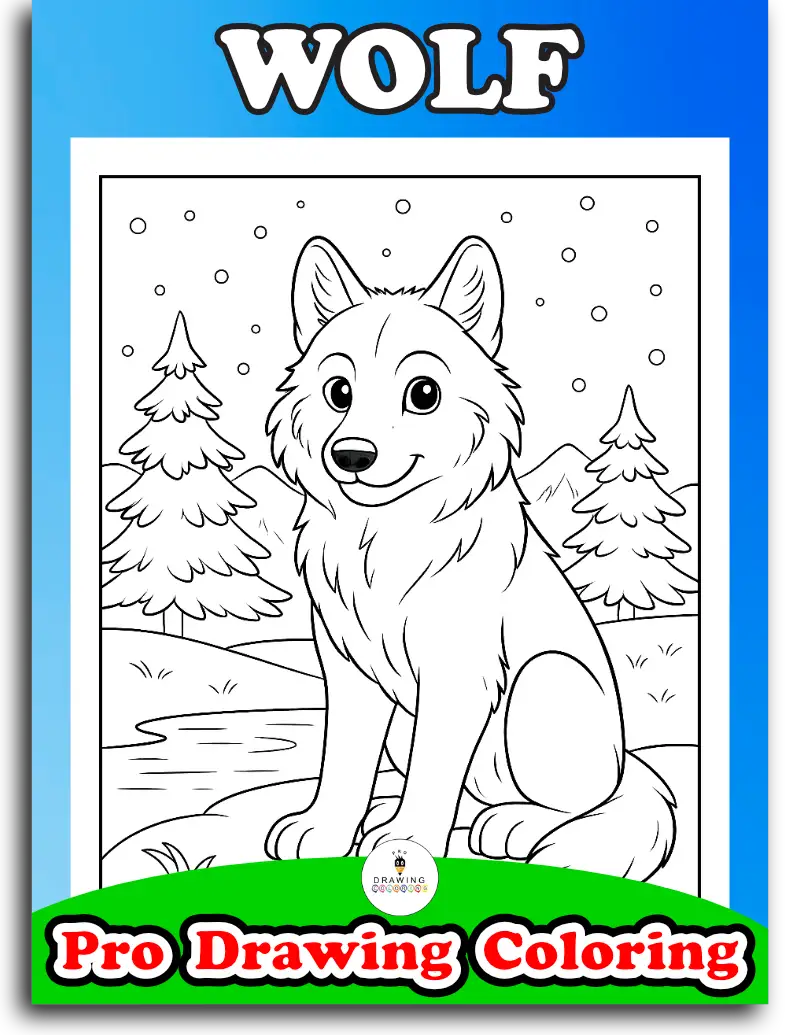
New Holiday & Seasonal Coloring Sheets – Easy Print & PDF
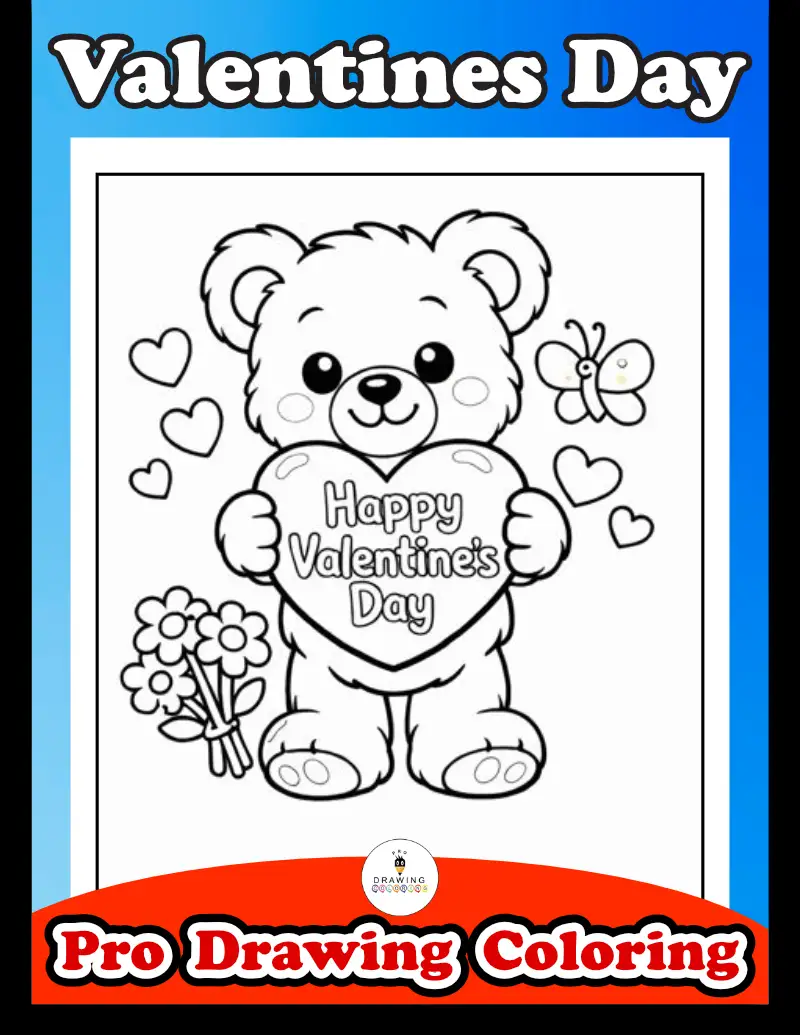
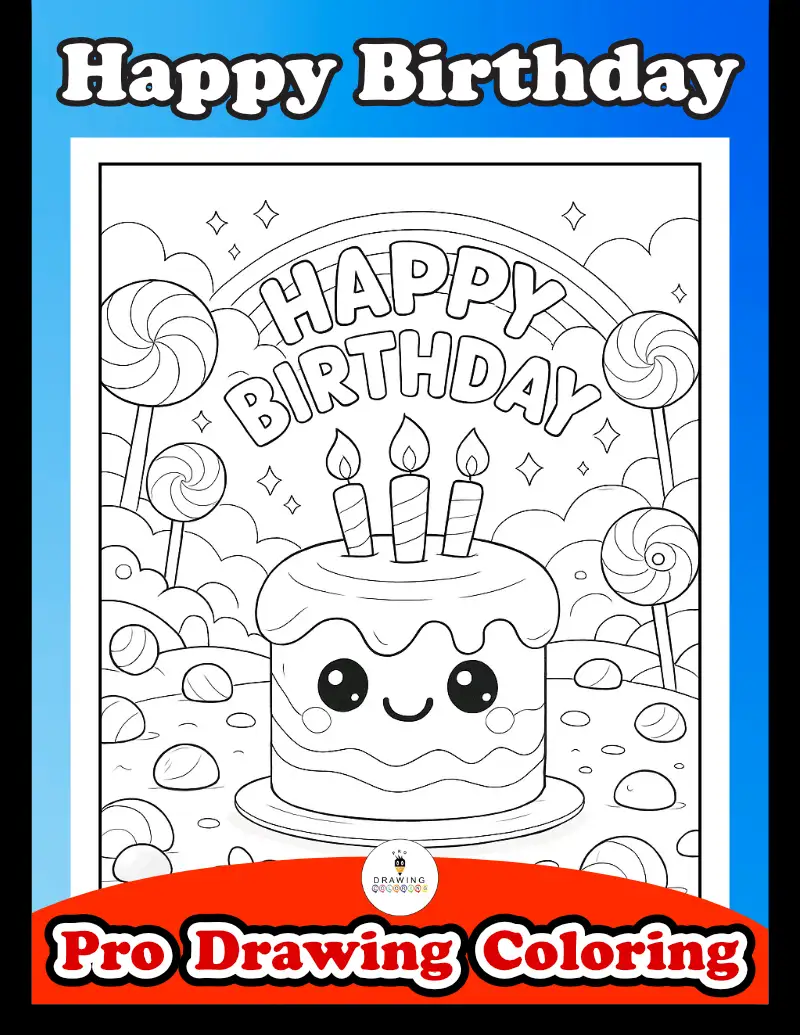
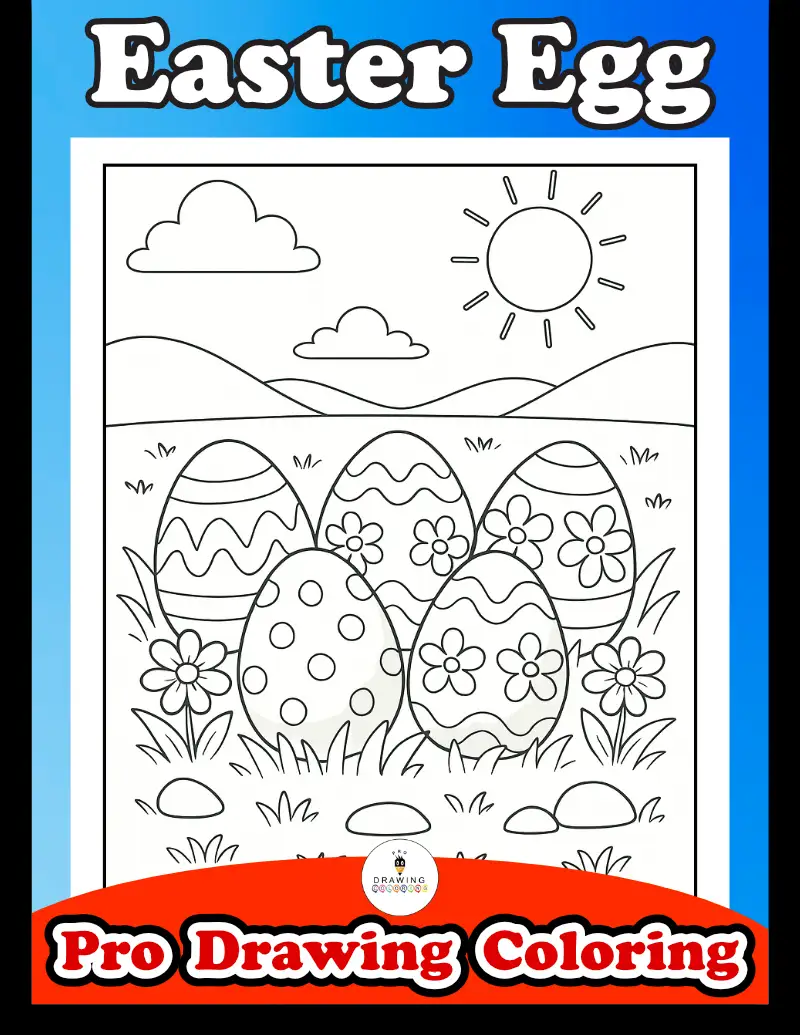
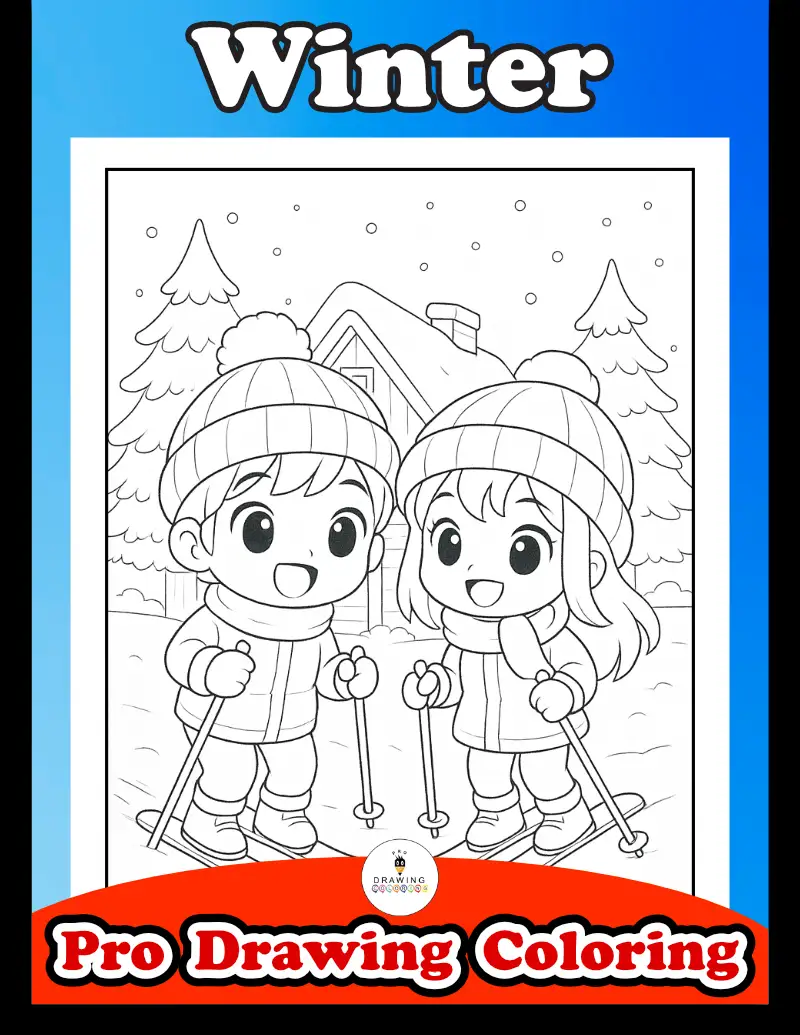
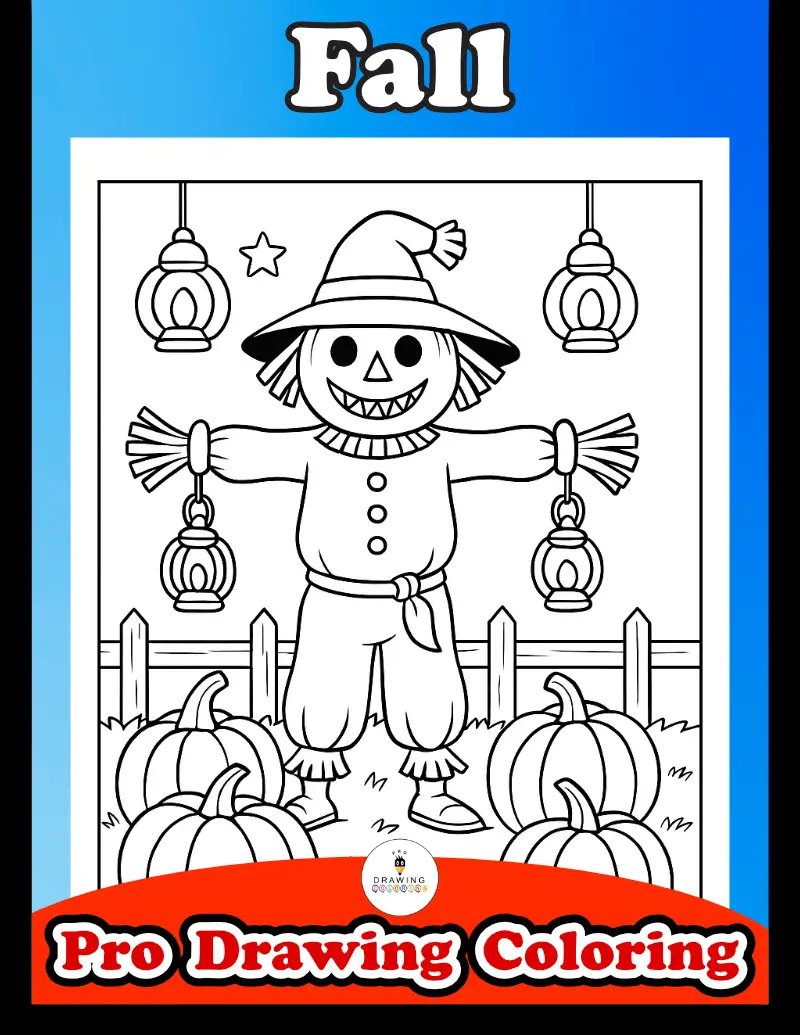
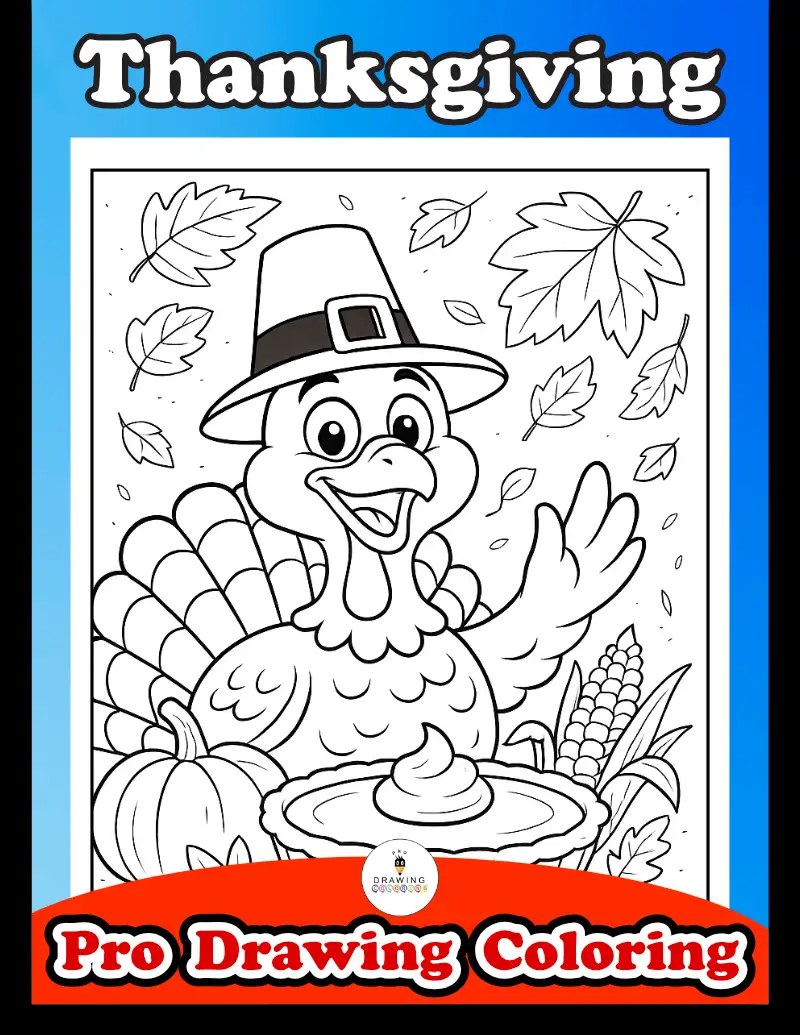
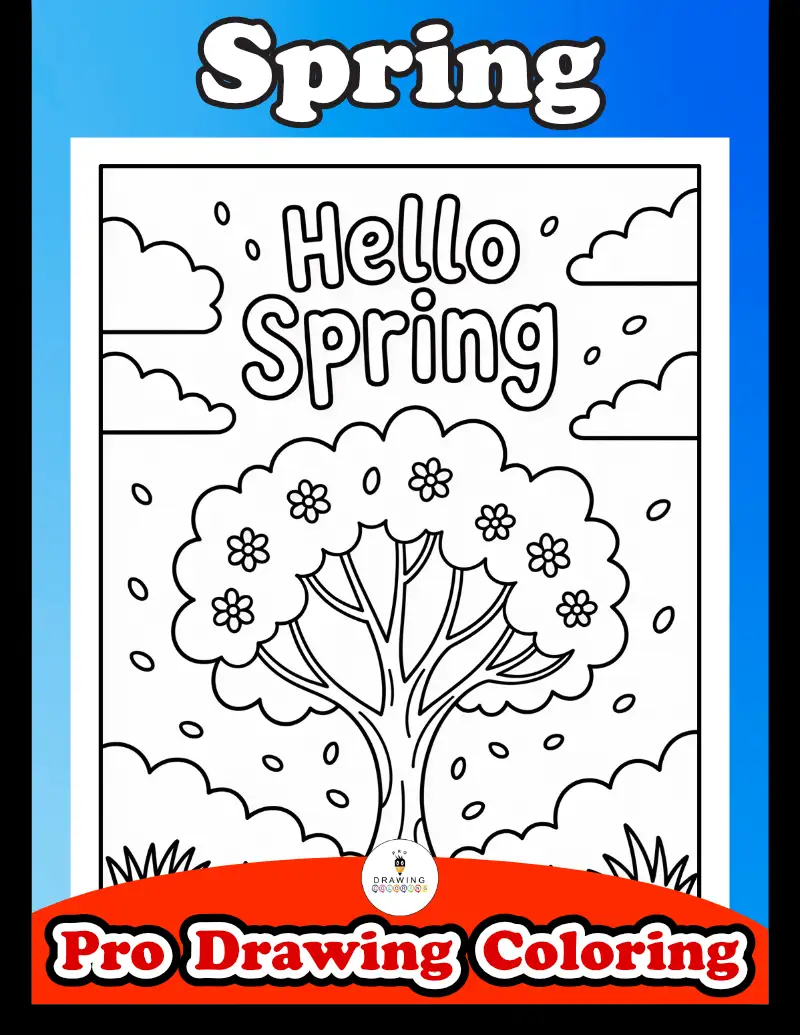
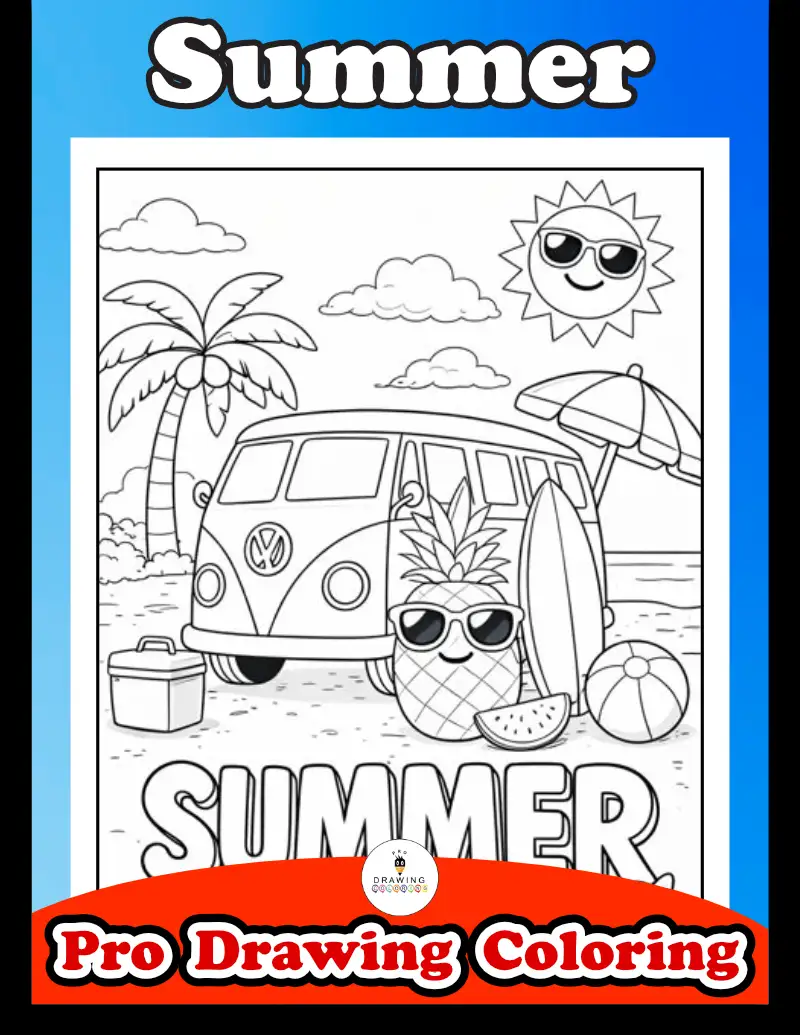
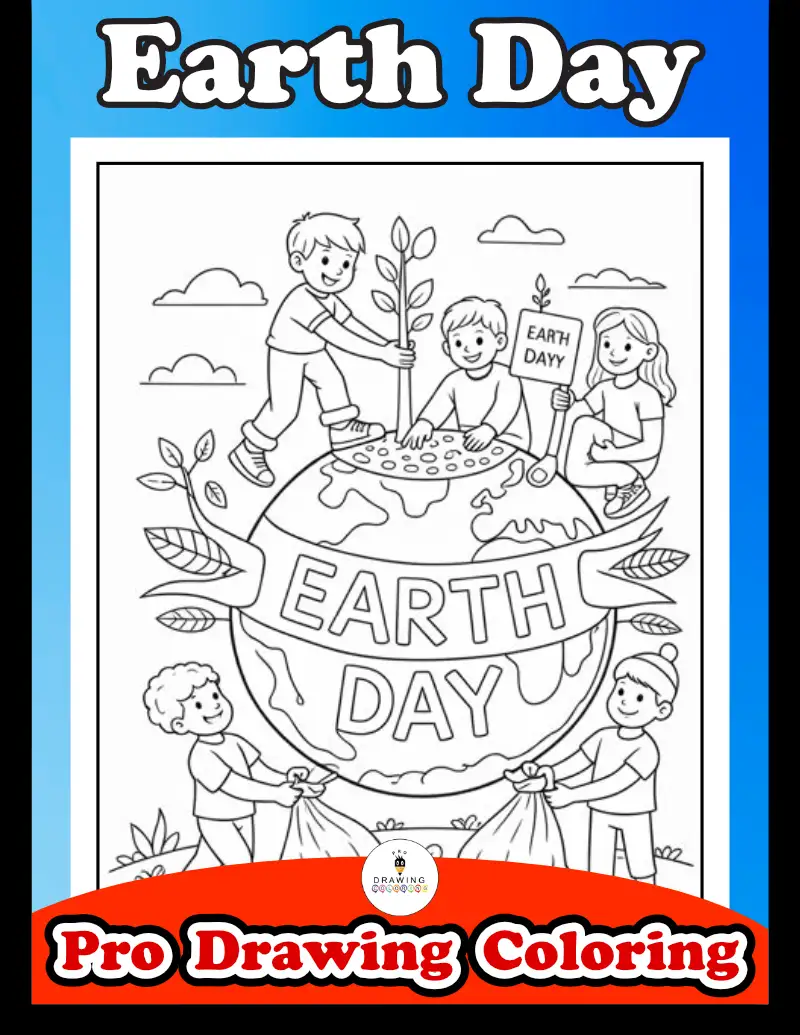
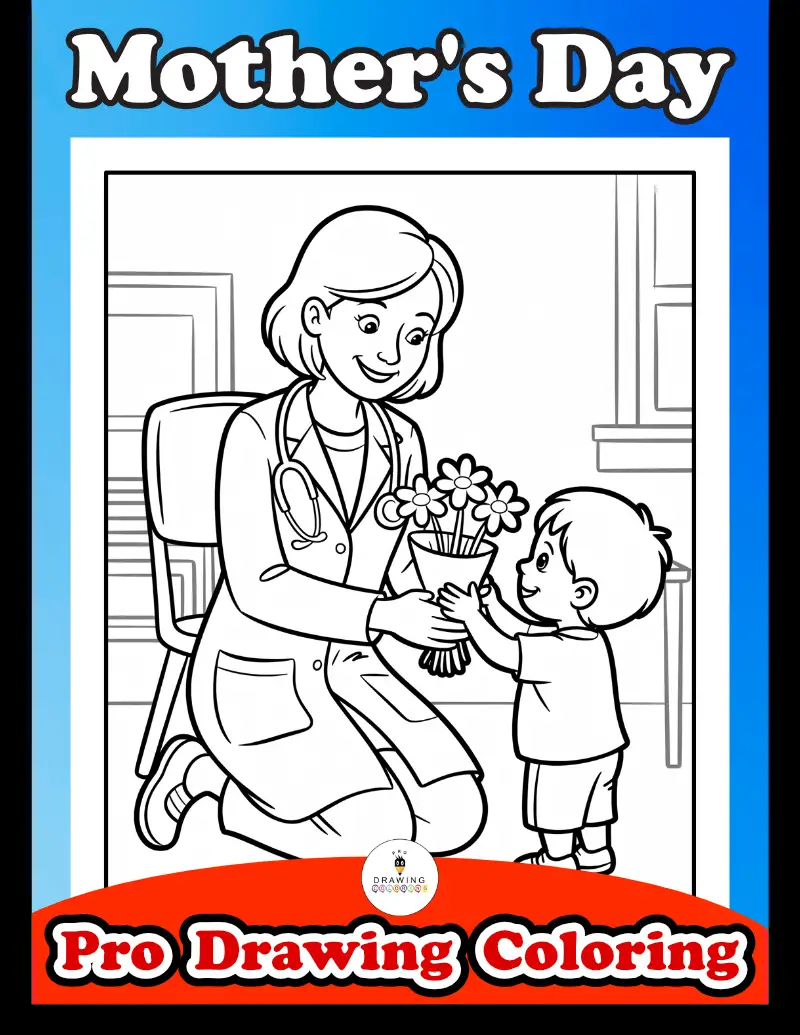
More Fun Coloring Pages You’ll Love
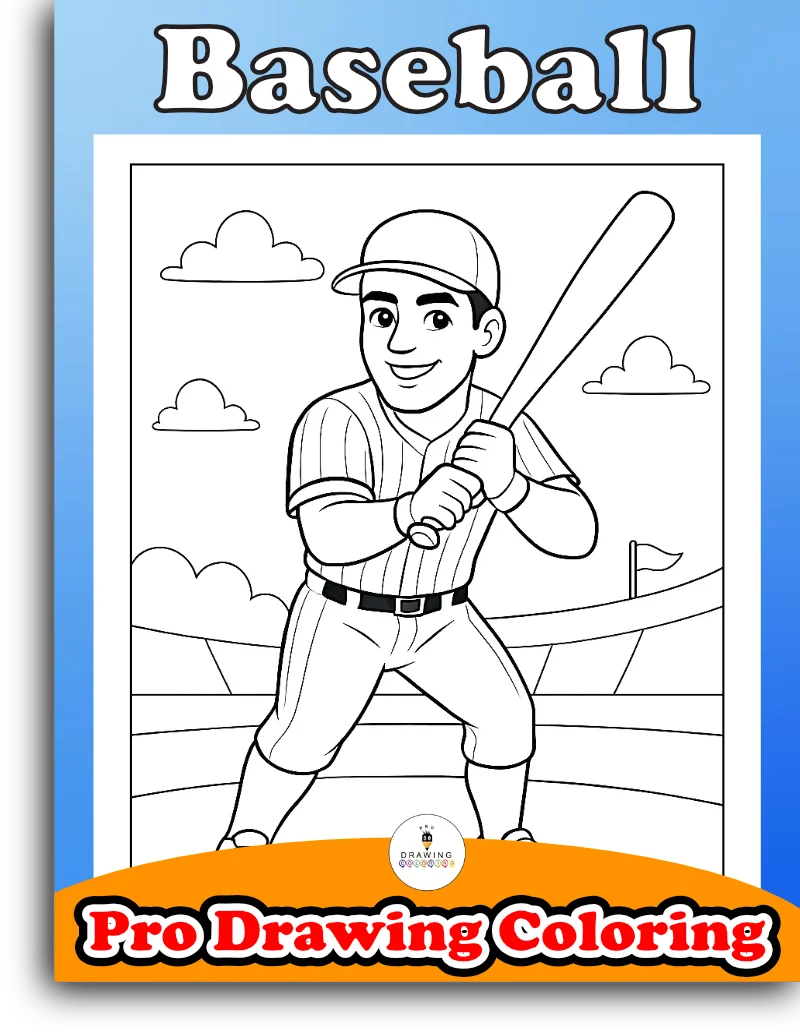
Baseball Coloring Pages
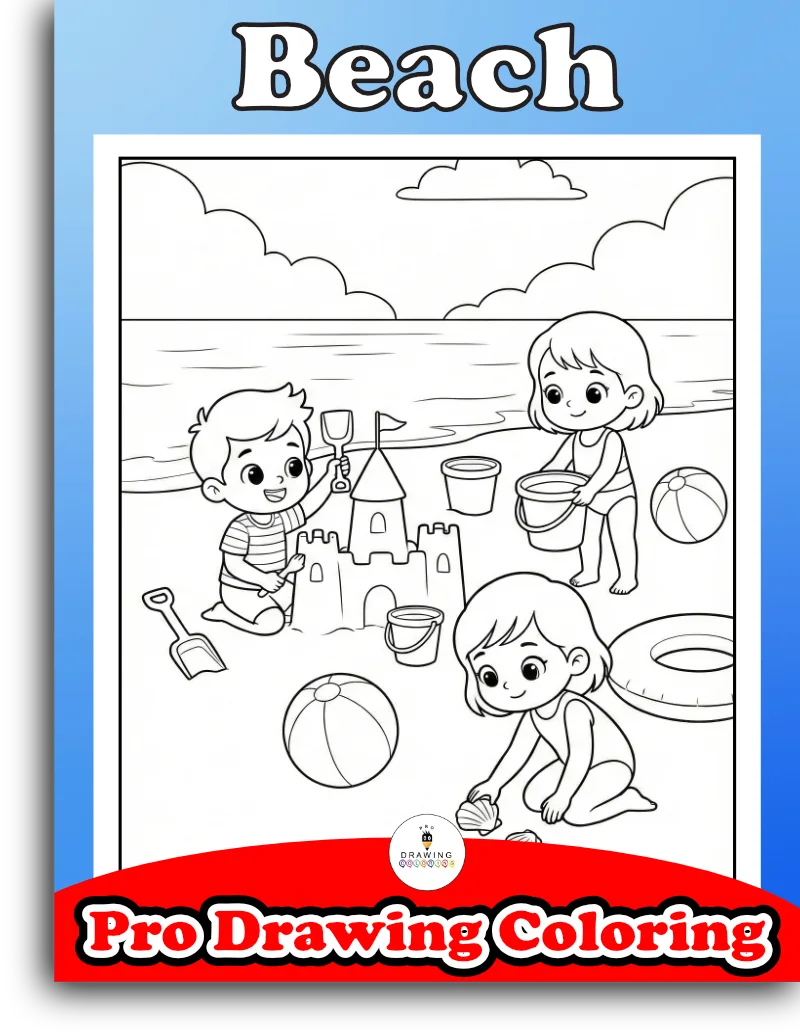
Beach Coloring Pages
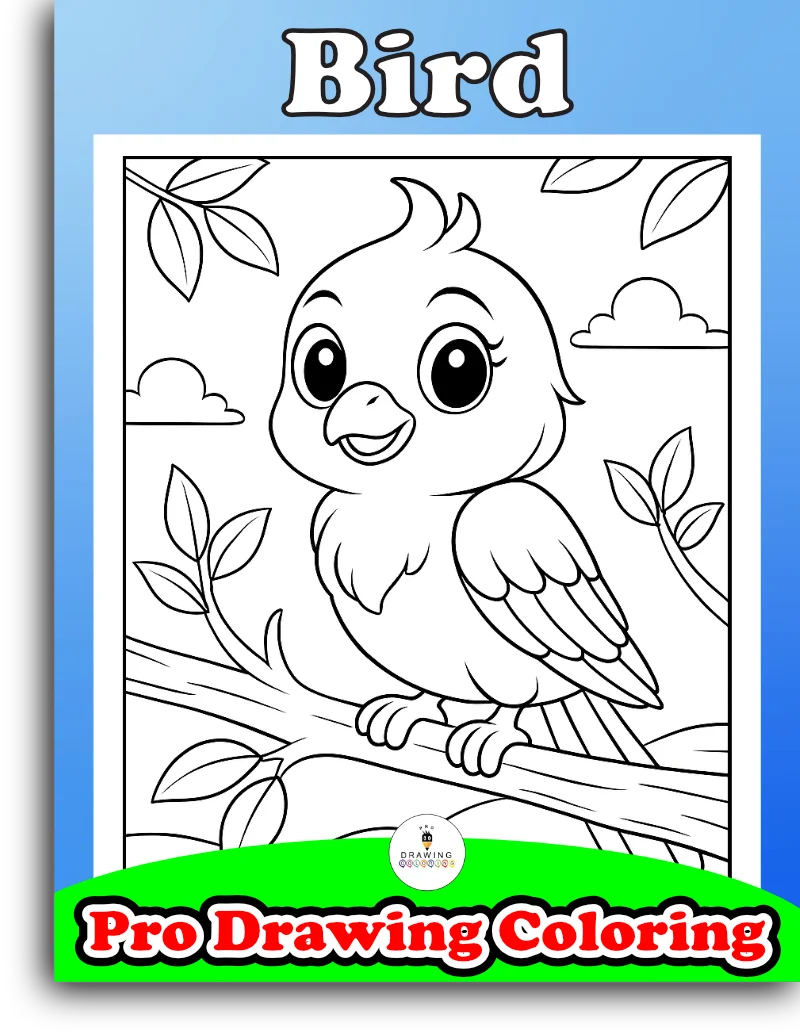
Bird Coloring Pages
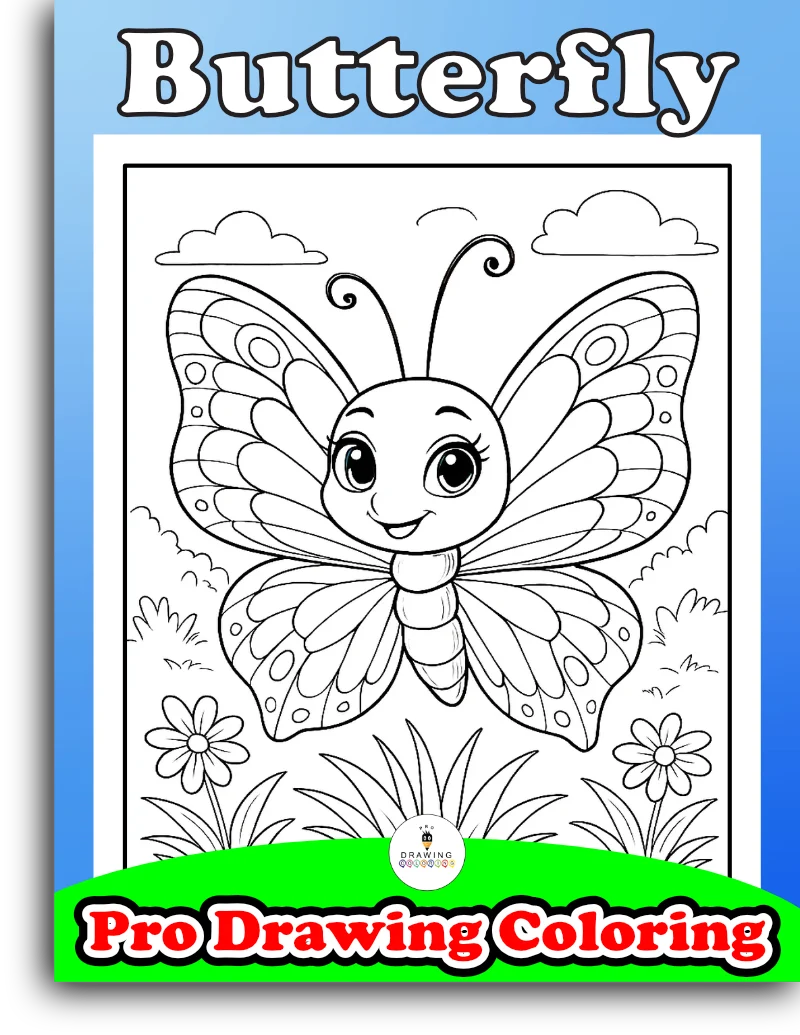
Butterfly Coloring Pages
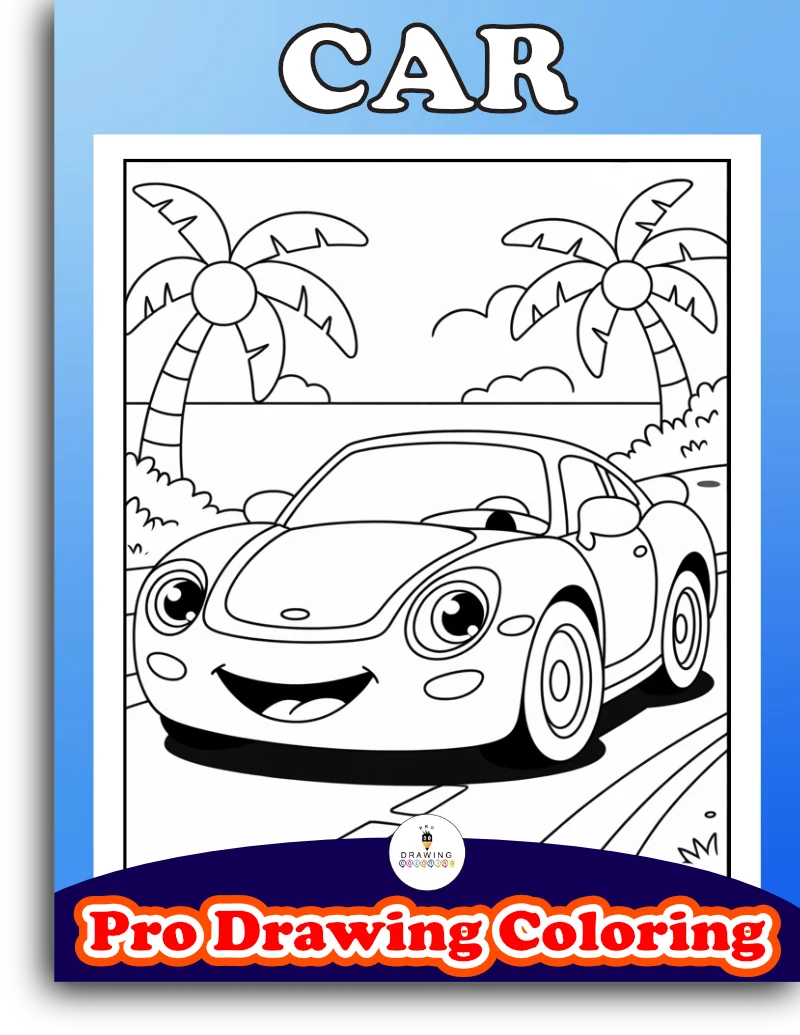
Car Coloring Pages
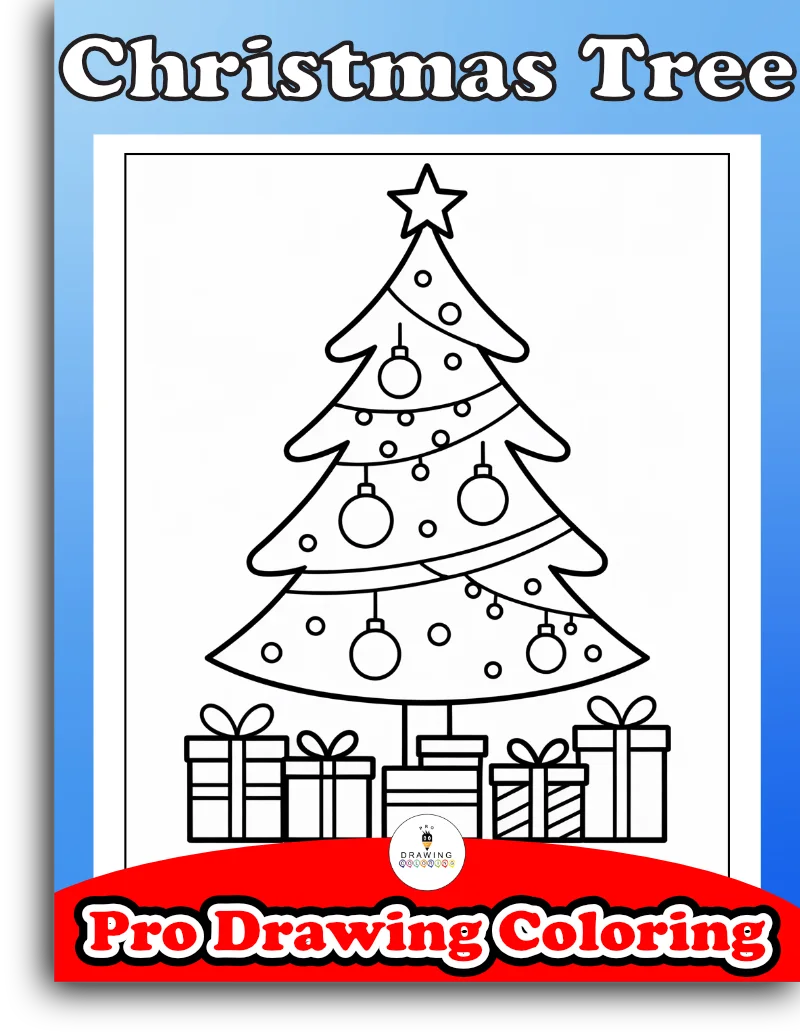
Christmas Tree Coloring Pages
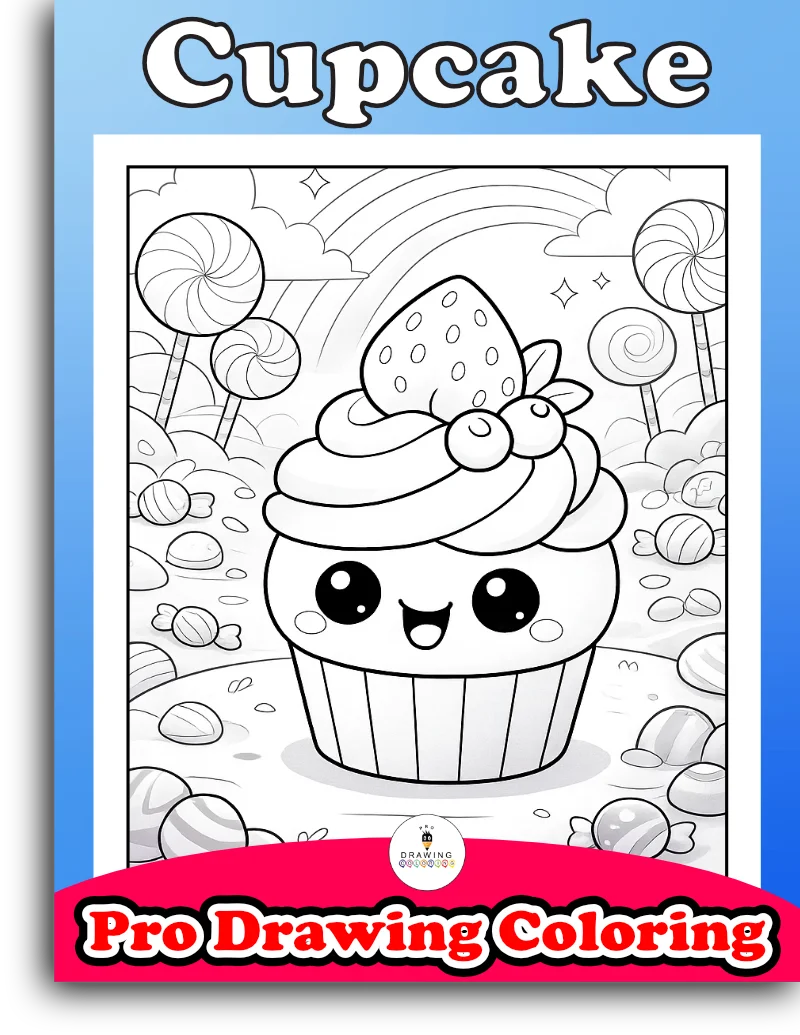
Cupcake Coloring Pages
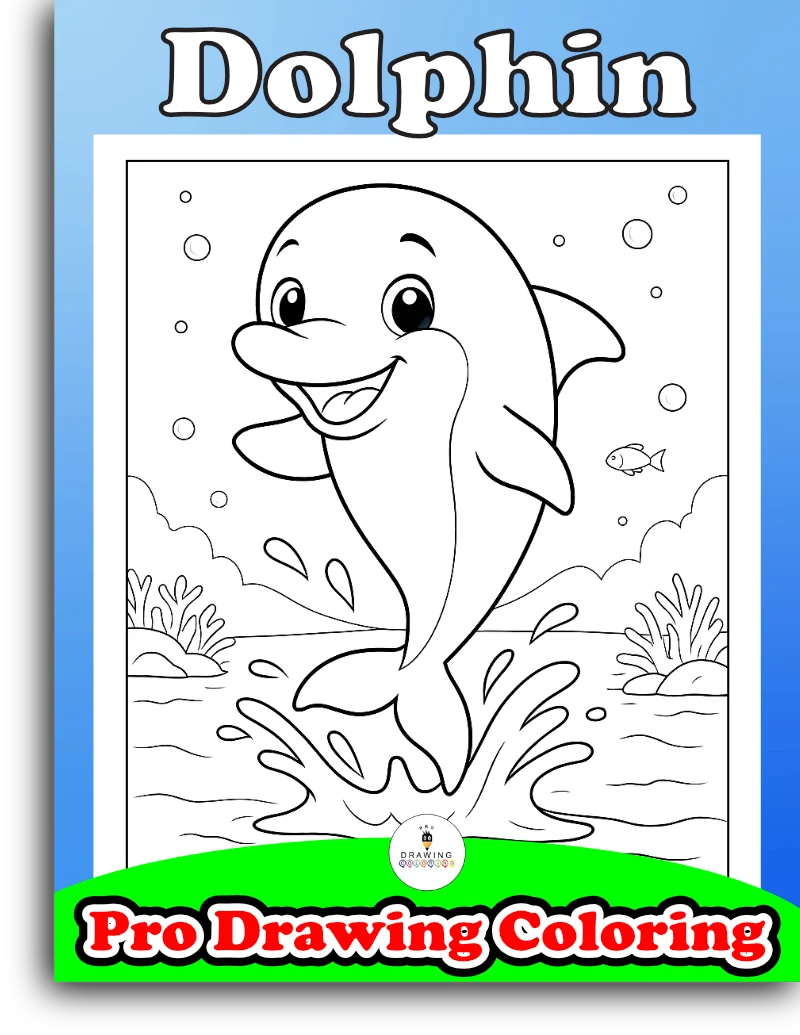
Dolphin Coloring Pages
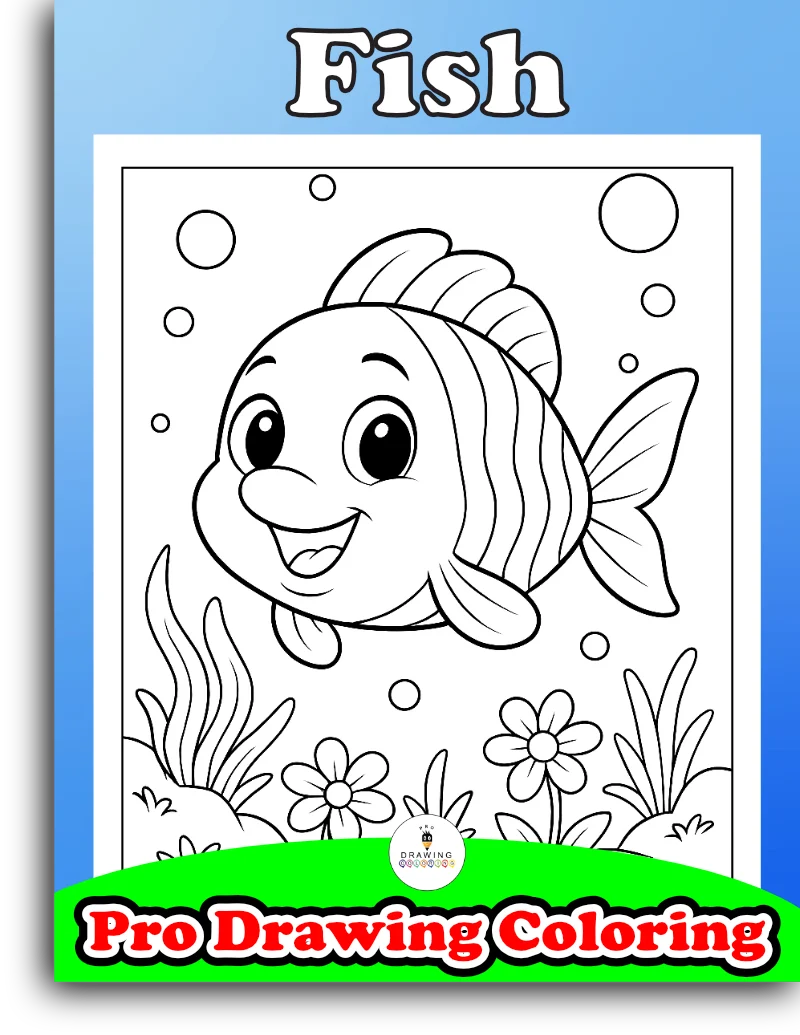
Fish Coloring Pages
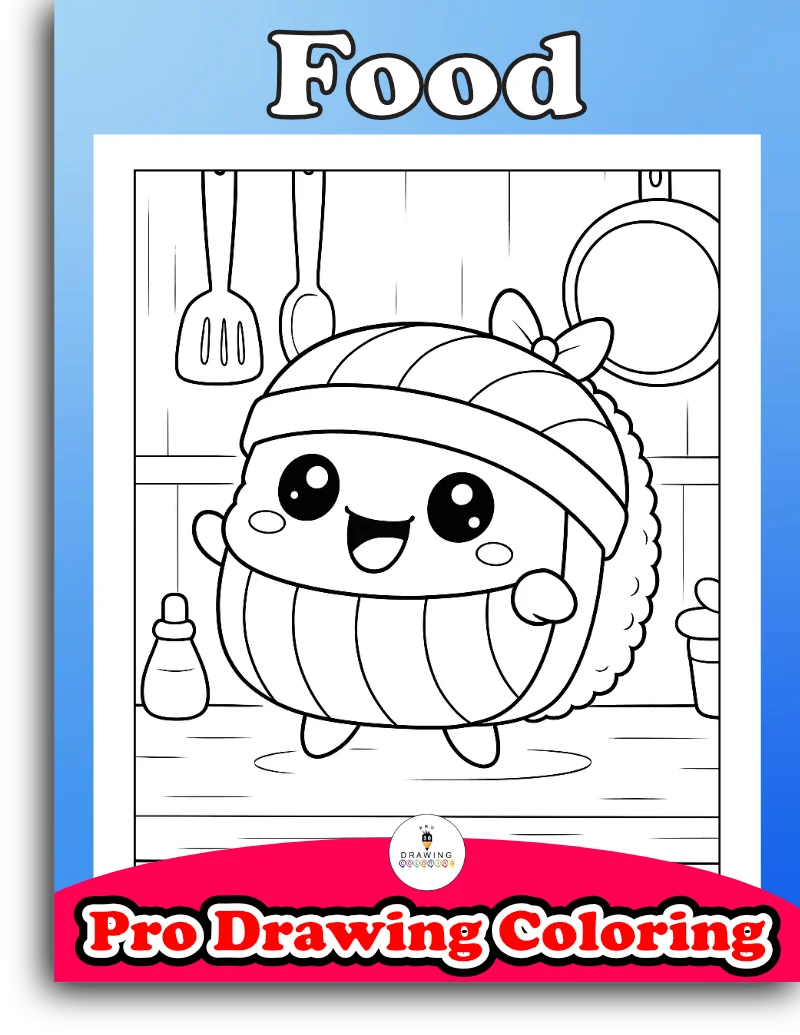
Food Coloring Pages
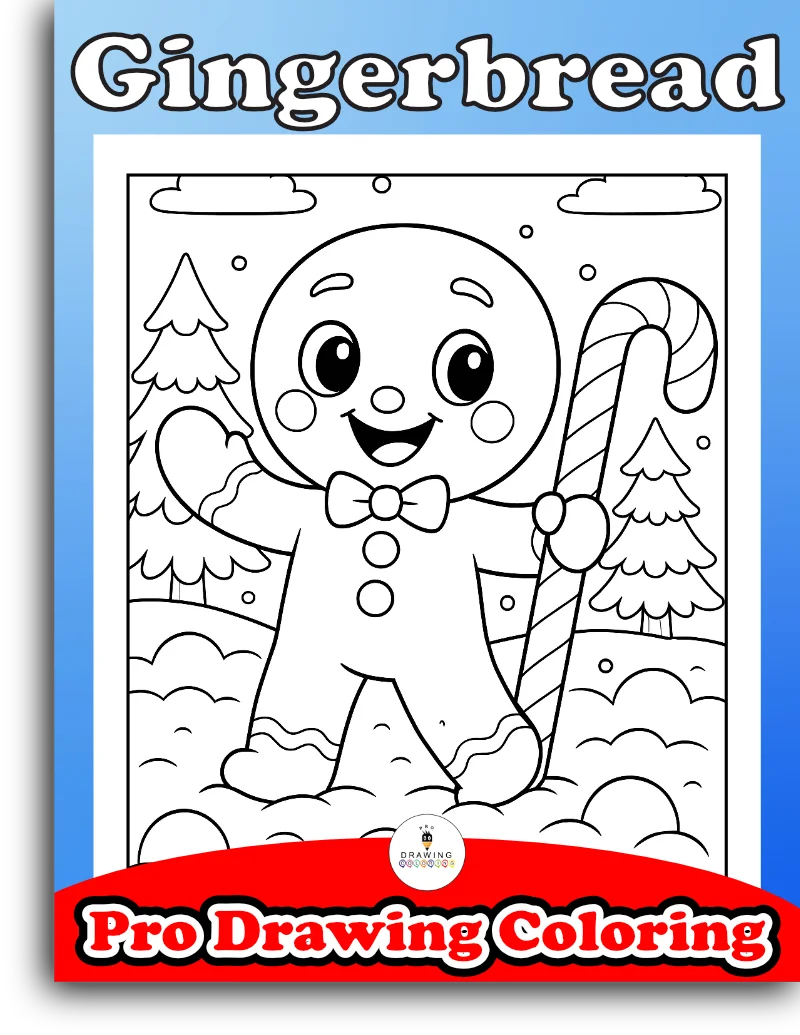
Gingerbread Coloring Pages
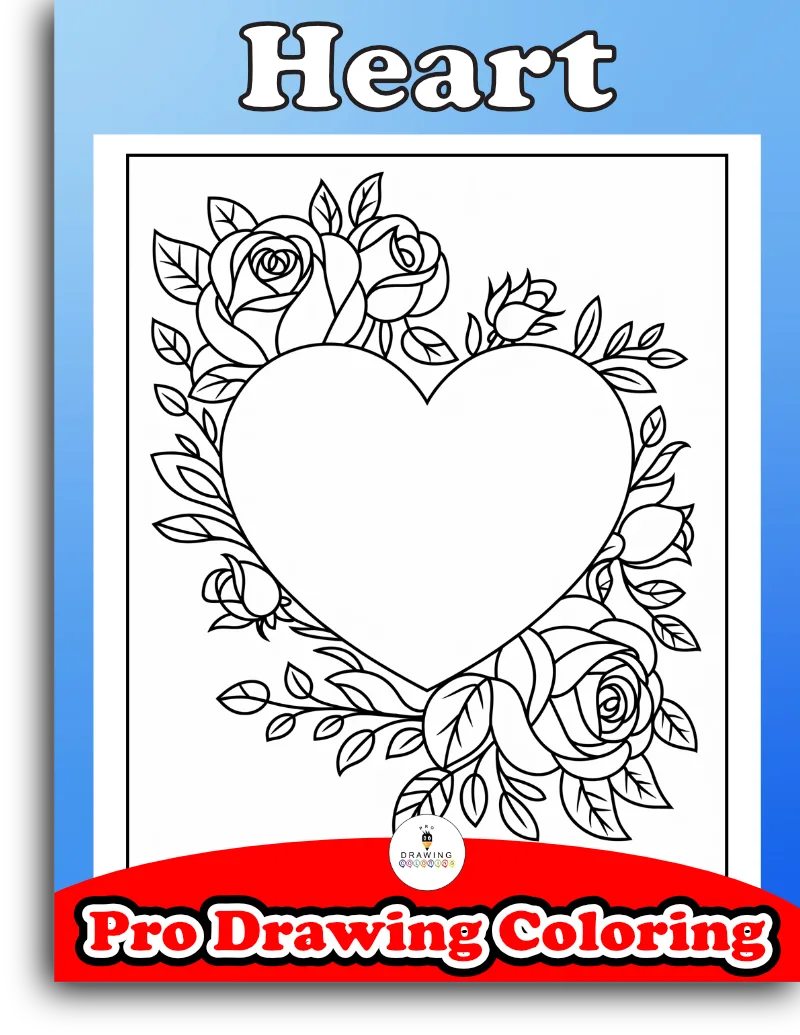
Heart Coloring Pages
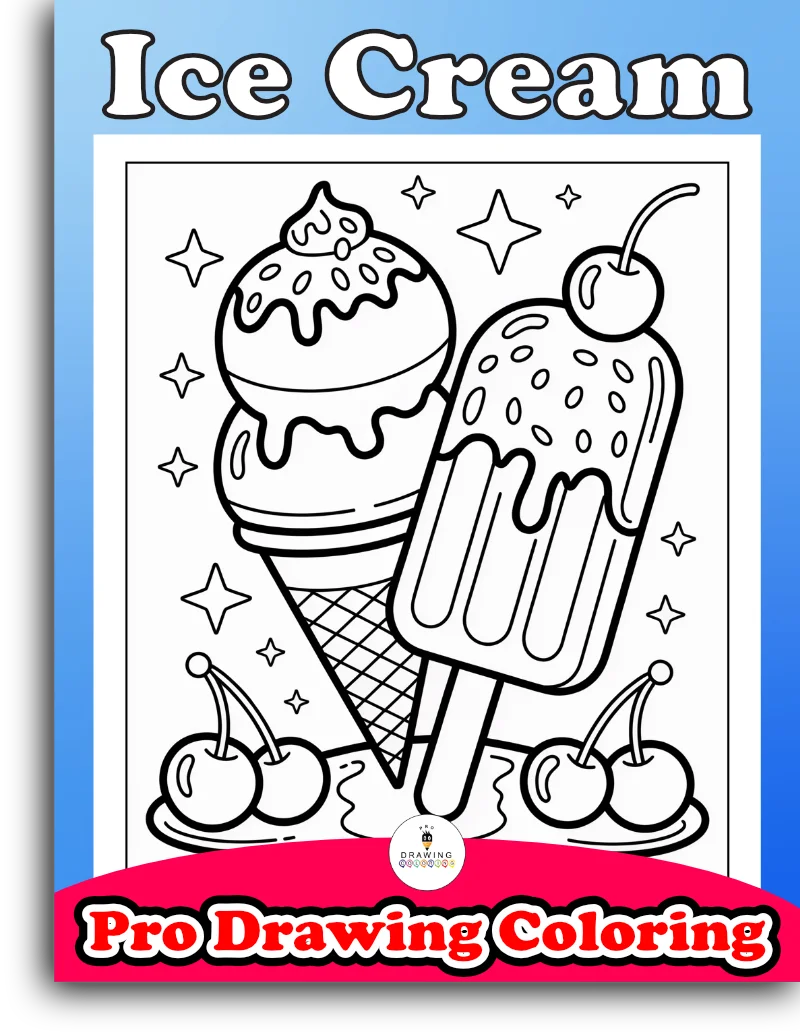
Ice Cream Coloring Pages
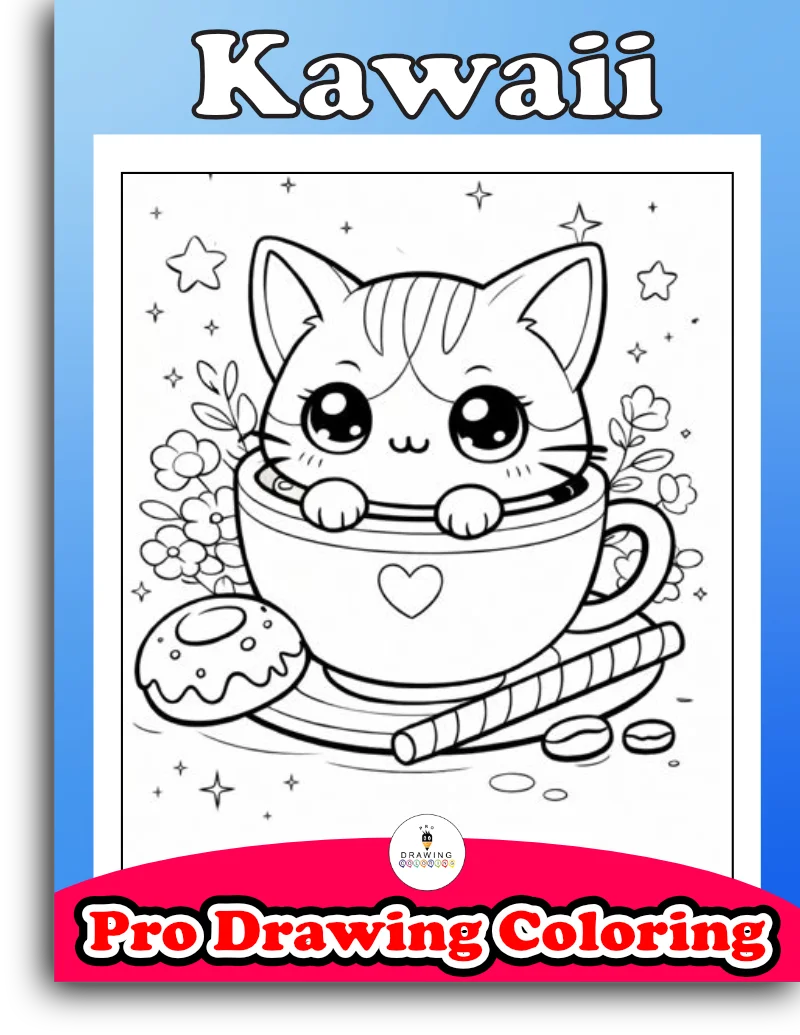
Kawaii Coloring Pages
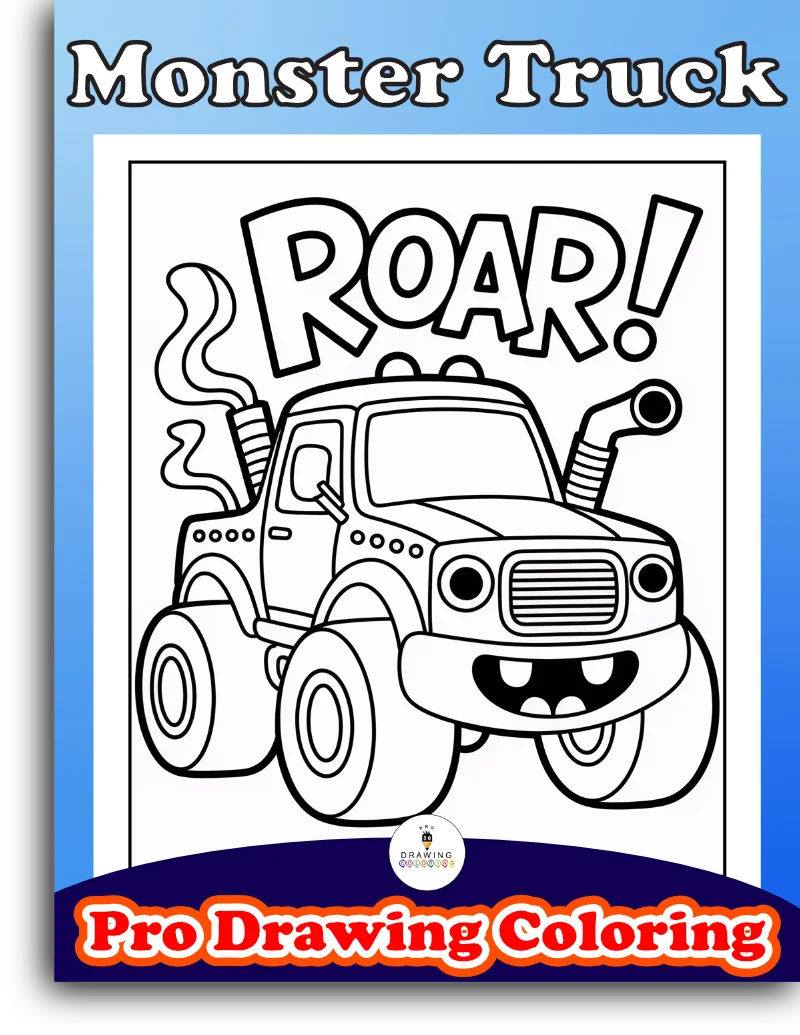
Monster Truck Coloring Pages
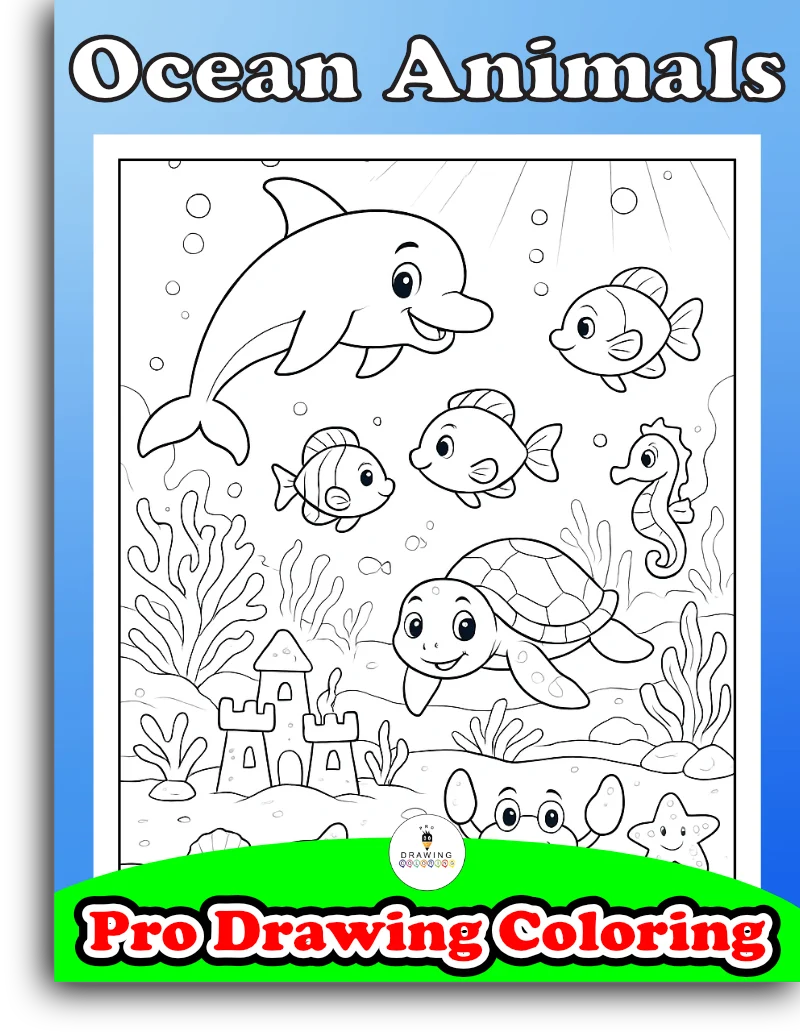
Ocean Animals Coloring Pages
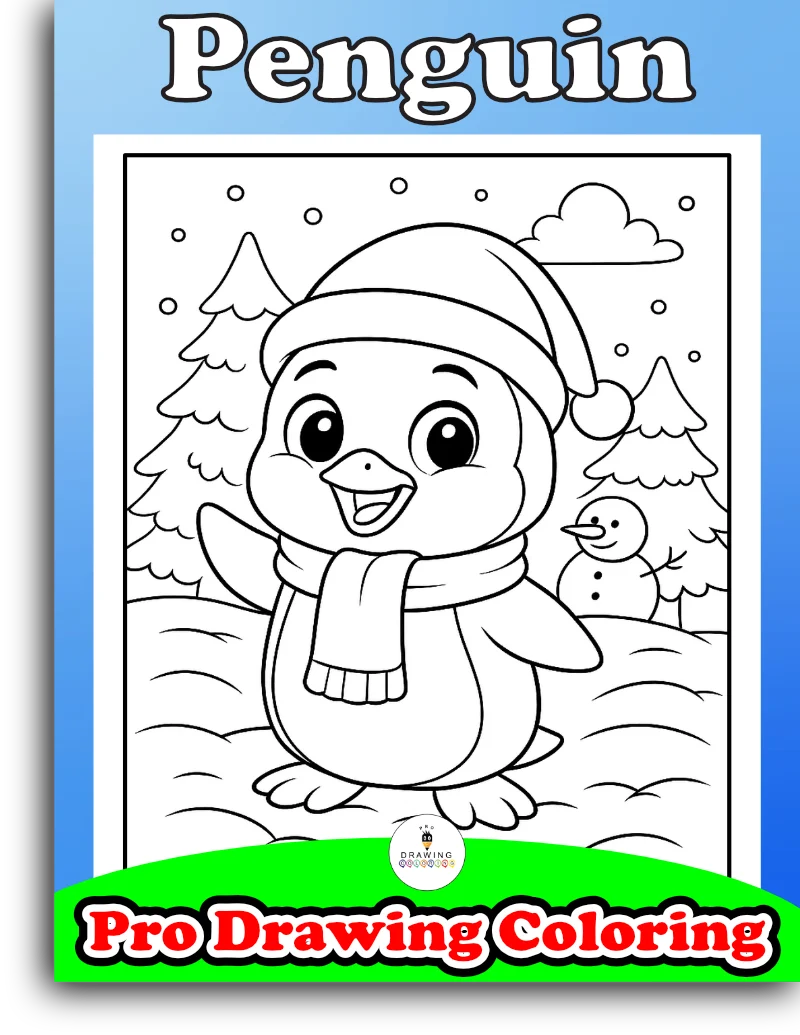
Penguin Coloring Pages
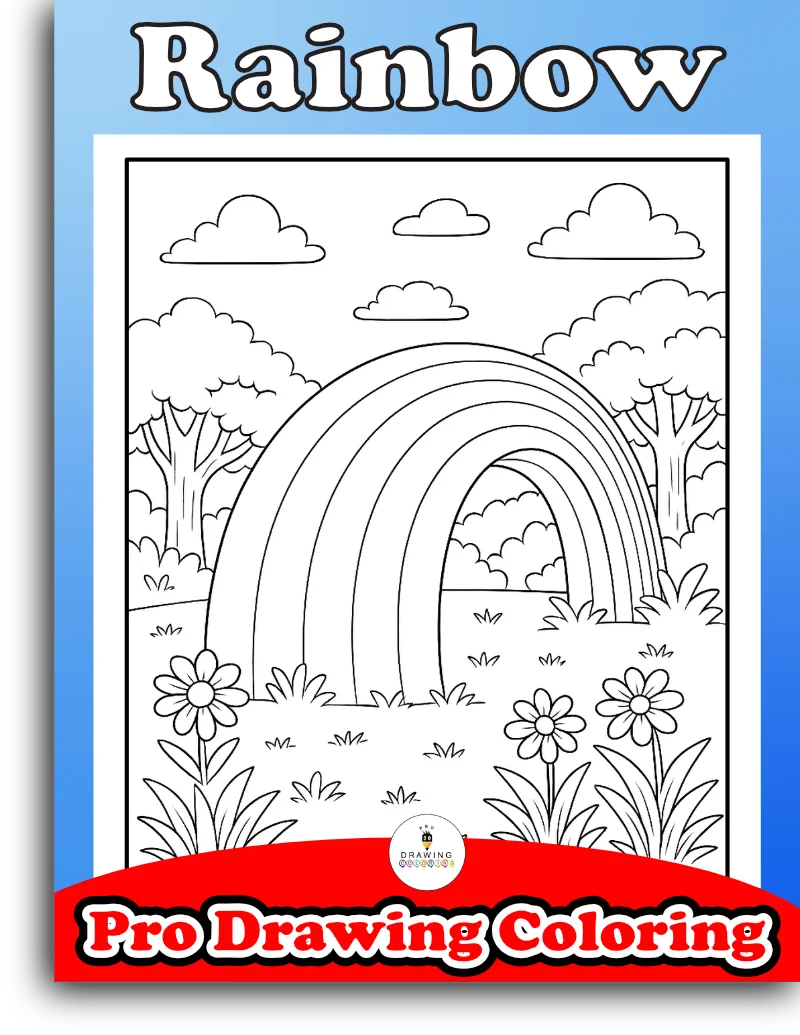
Rainbow Coloring Pages
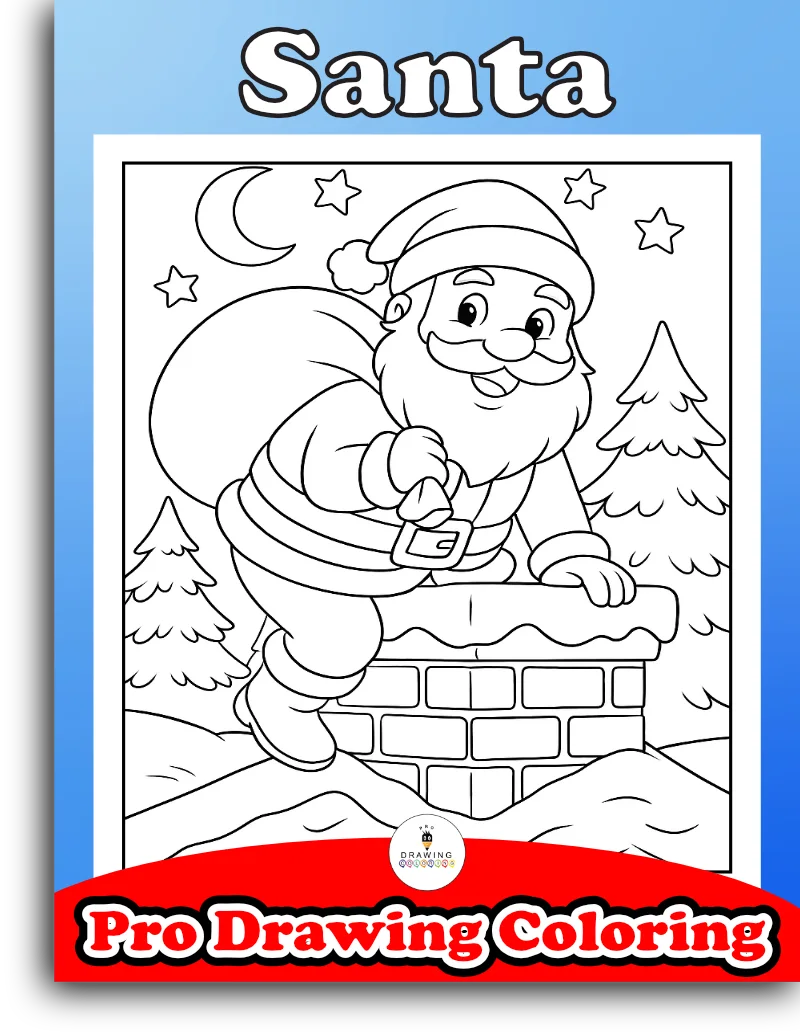
Santa Coloring Pages
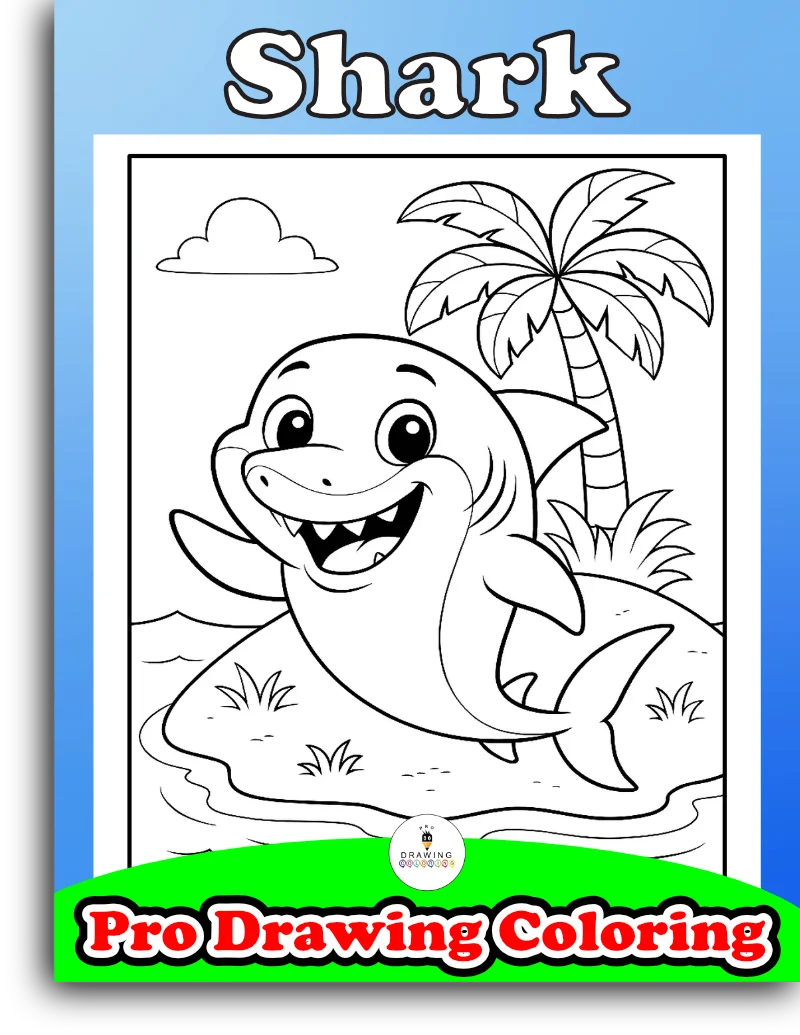
Shark Coloring Pages
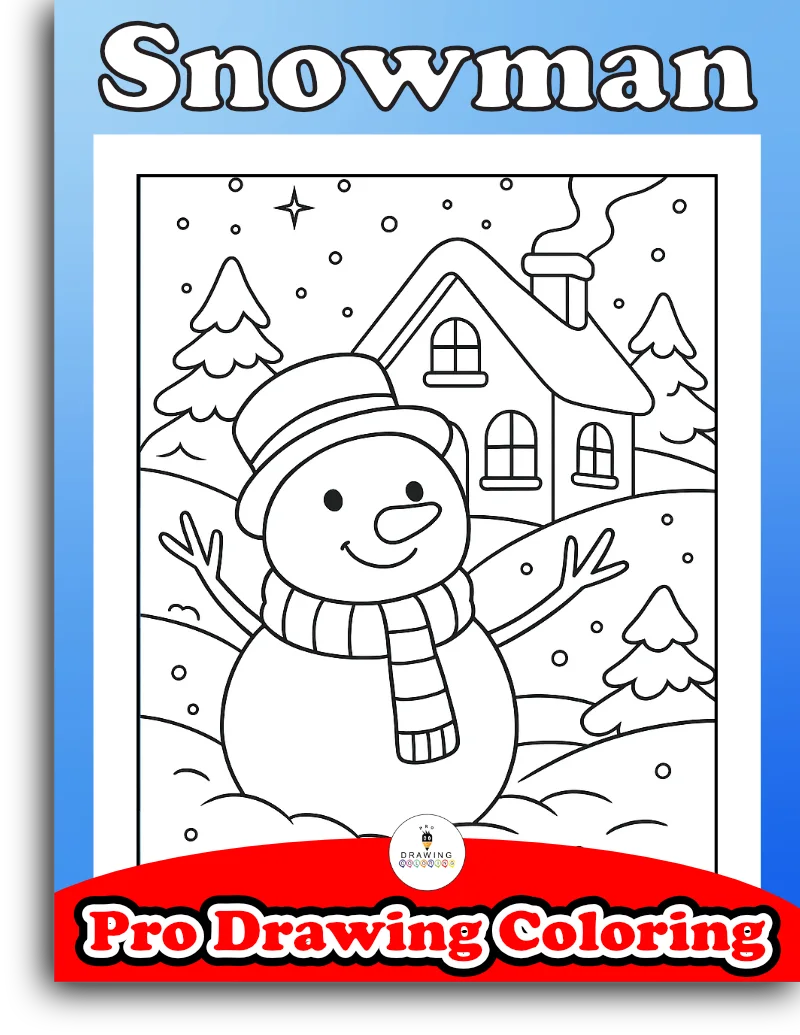
Snowman Coloring Pages
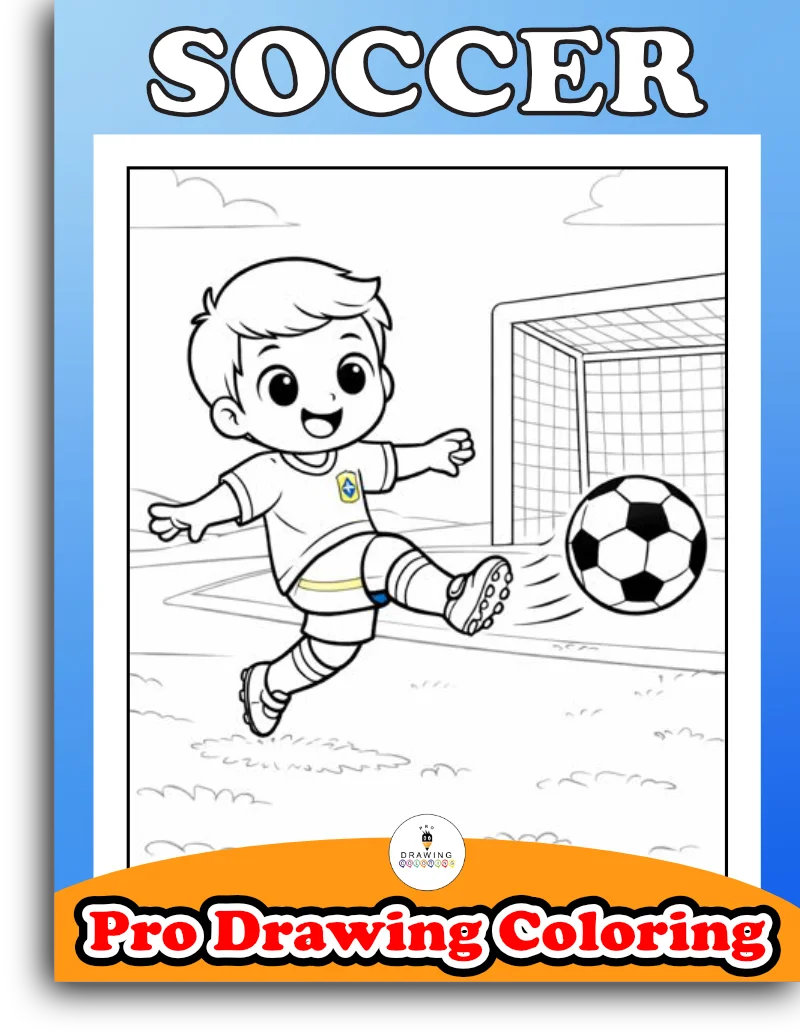
Soccer Coloring Pages
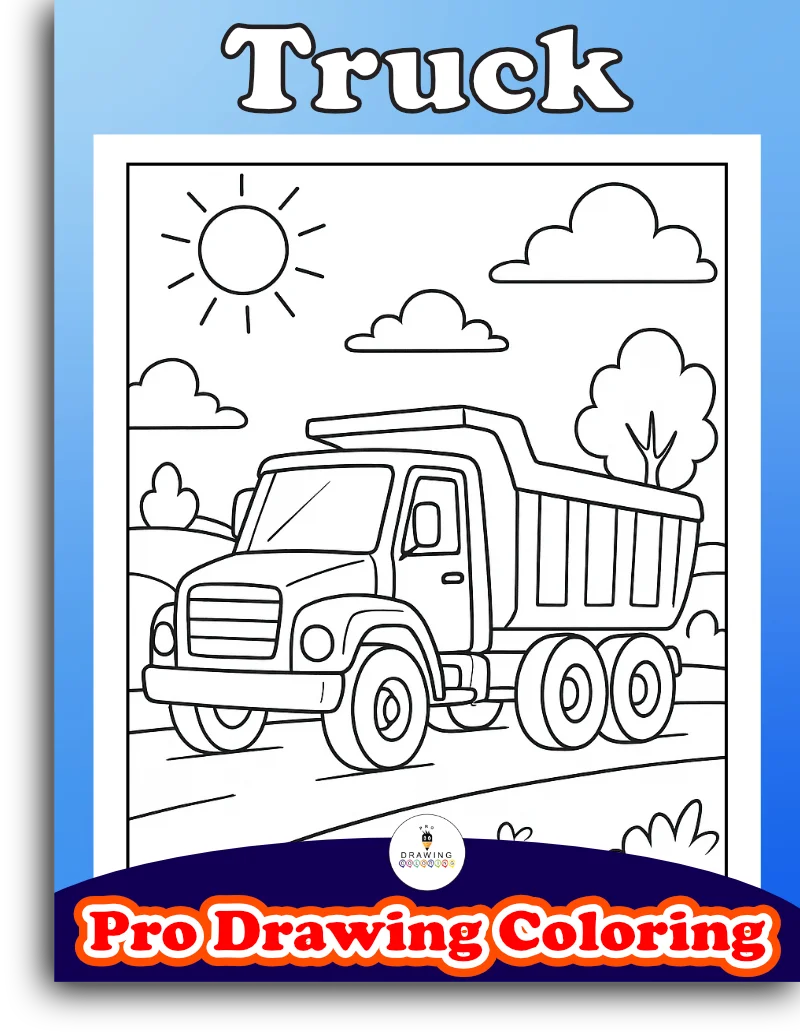
Truck Coloring Pages
Benefits of Coloring
Stress relief and mindful focus
Coloring invites a calm, single-task flow that quiets mental noise. Repetitive strokes, limited choices at each moment, and gentle color decisions act like a guided meditation—without asking you to sit cross-legged or chant anything mystical.
Improved concentration and executive function
Deciding where to begin, which colors to choose, and how to finish a section builds planning skills. For kids, that’s developing impulse control; for adults, it’s practicing sustained attention—brain yoga, minus the awkward poses.
Creativity and visual literacy
Coloring pages are springboards for imagination. Even with outlines provided, palettes, shading, patterns, and backgrounds are yours to invent. Over time, this play turns into visual problem-solving, storytelling, and a personal “visual voice.”
Fine motor skills and hand–eye coordination
From toddlers strengthening tripod grip to seniors maintaining dexterity, coloring refines precise movements. Controlled pressure and small motions support handwriting, drawing, crafts, and even instrument playing.
Emotional regulation and self-expression
Feeling jittery, blue, or blah? Color choice and tempo mirror mood. A bright palette can energize; soft tones can soothe. The page becomes a low-stakes space to “say” something without words—and to feel better afterward.
Cross-generational bonding
Coloring tables are democratic: kids, teens, parents, and grandparents can create side by side. Put on some music, pour tea, pass the pencils. Conversation arrives naturally when hands are busy.
Digital detox with positive momentum
Screens are brilliant tools—but not the only tools. Coloring offers a tactile break that still feels productive. And unlike doom-scrolling, you finish with a real artifact: a mini-masterpiece for the fridge or frame.
Curriculum-friendly learning
Coloring integrates effortlessly into lessons: map pages for geography, botanical plates for science, pattern fills for math symmetry, typography tracing for language arts. Fun first, stealth learning as a bonus.
Ideas & Tips for Using Coloring Pages
Set the stage
Assemble a portable “coloring kit”: a slim folder of A4 pages, a small set of pencils/markers, a sharpener, and washi tape for display. Keep one at home and one “on-the-go” for cafés, travel, or waiting rooms.
Match complexity to energy
Low energy? Choose simple outlines and large shapes. Feeling focused? Try intricate mandalas, detailed creatures, or cityscapes. Let the day’s attention budget pick the page—your future self will thank you.
Try palette prompts
Give yourself a playful constraint: “only three colors,” “sunset tones,” “ice-cream pastels,” or “forest greens.” Constraints spark inventive solutions and prevent decision fatigue. In class, write palettes on sticky notes and draw one at random.
Mix media, gently
Layer colored pencils for base tones, add light marker accents, then a whisper of white gel pen for highlights or soft graphite for shadows. If paper is thin, place a scrap sheet underneath to prevent bleed-through.
Upgrade paper smartly
For markers, print on thicker stock (100–160 gsm) to avoid feathering. For colored pencils, matte papers with a bit of “tooth” grab pigment better. Print “fit to page” with small margins so nothing gets clipped.
Turn pages into projects
Story starters: Color a character, then write a paragraph about their day.
Mini exhibits: Curate 3–5 pages around a theme (e.g., “Underwater Week”) and add captions.
Math moments: Count patterns, measure symmetry, or design repeating sequences along borders.
Geo-color: Use a map page and assign palettes to regions—great for studying climates or biomes.
Gamify the session
Set friendly challenges: “two-minute color sprint,” “left-hand only,” or “no repeating colors in adjacent sections.” In groups, try “pass the page”: color one area, then pass to the next person. Surprising art is guaranteed.
Teach one tiny technique
Introduce a single micro-lesson per session:
Gradient basics: Press firmly at the edge, lighten toward the center.
Hatching: Parallel lines add texture to fur, wood, or fabric.
Color harmony: Pick a dominant, a supporting, and a tiny “pop” color for accents.
Create side-by-side spreads
Print two pages: one to color; one to re-draw or add a background. Kids love designing habitats (jungles, space, coral reefs). Adults can practice shading on one side and experiment with palettes on the other.
Personalize with patterns
If a section feels plain, overlay delicate patterns—dots, stripes, tiny stars, mosaic tiles. Keep pattern scale consistent to avoid visual clutter. This simple trick turns modest pages into boutique pieces.
Build a portfolio habit
Slip finished pages into clear sleeves with the date, palette, and a two-sentence “artist note.” Portfolios reveal progress over time, motivate learners, and make it easy to curate seasonal displays.
Display and celebrate
Rotate favorites on a cork board, fridge, or twine gallery with clips. For gifts, mount a standout piece in a simple frame. In classrooms, host a monthly “color salon” with playful awards like “Boldest Palette” or “Best Texture.”
Make it inclusive
Offer adaptive grips, broader outlines for visual clarity, and large-print pages for accessibility. Provide options (pencils vs. markers) for sensory preferences. The mission: everyone participates with confidence.
Mindful endings
Close each session with a tiny ritual: sign your name, circle one area you love, and note one skill you tried. That 30-second reflection transforms casual coloring into a creative practice you’ll keep.
Reuse and remix
Don’t retire a page after one round. Scan or photograph it, duplicate, and try a new palette or technique. Print at half-size for greeting cards, bookmarks, or collage elements. Same drawing, infinite journeys.