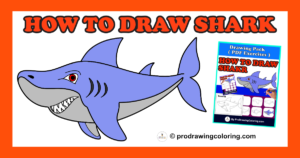

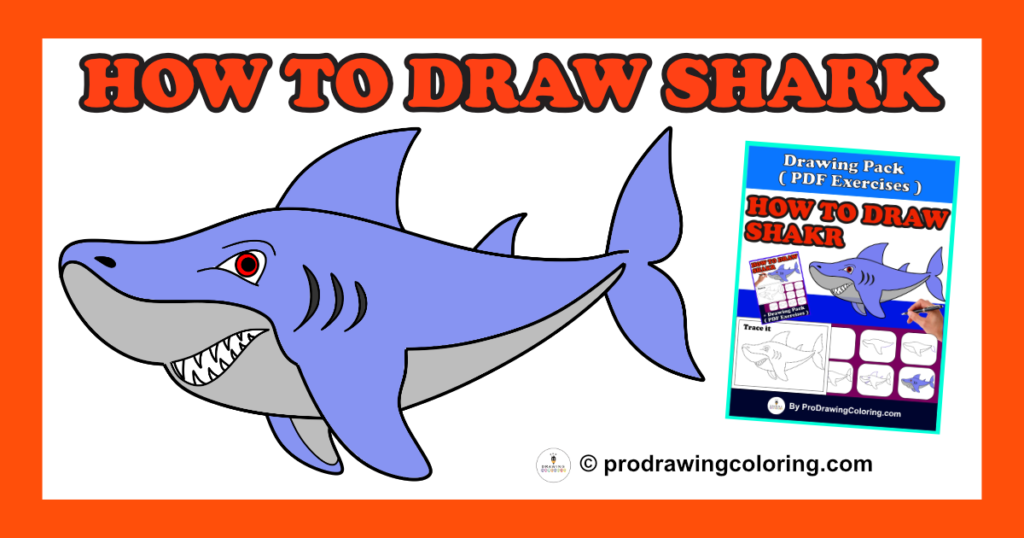
Welcome to Pro Drawing Coloring, your creative hub for mastering the art of ocean life! If you’ve ever wanted to learn how to draw a shark but didn’t know where to start, you are in the right place. Our mission is to simplify complex shapes into easy shark drawing steps that anyone can follow. Beyond this tutorial, don’t forget to explore our extensive collection of shark coloring pages to practice your shading and color blending skills.
To ensure your success, we provide a complete ecosystem of learning tools. This guide includes a detailed shark drawing step-by-step breakdown, a downloadable PDF practice pack, and a video tutorial. Whether you prefer the precision of drawing grids or the flow of a visual demonstration, our resources are designed to help you create a simple shark drawing that looks professional and realistic.
Grab your pencil and paper! We have optimized this lesson to focus on the essential anatomy—from the powerful tail to the iconic dorsal fin. By following our shark drawing for kids and beginners, you will develop the confidence to sketch various species, including the Great White and the Hammerhead. Let’s dive into the first step of your underwater artistic journey.
1. Your Step-by-Step Shark Drawing Guide
This section focuses on the 11-step visual guide we prepared. Each step is designed to answer the search intent for “how to draw a shark easy”.
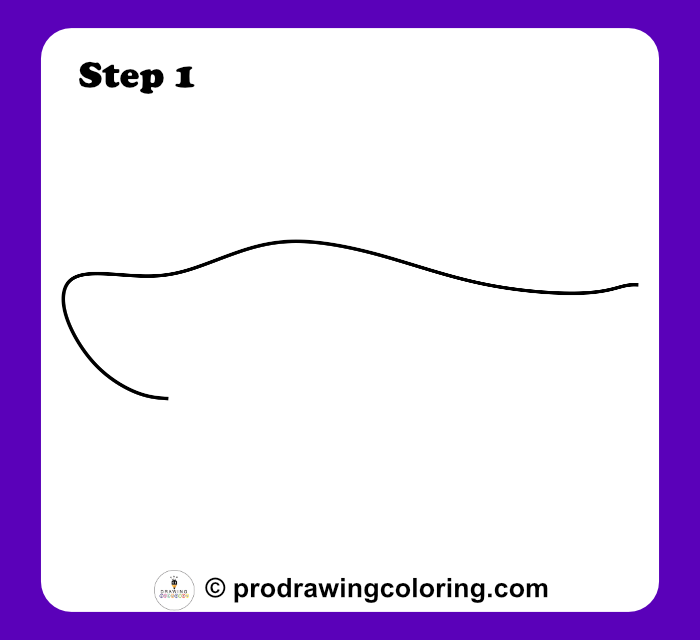
Step 1: Top Body Outline
Start your shark drawing by sketching a long, smooth wavy line. This curve represents the shark’s back and the top of its snout, setting the overall length of the body.
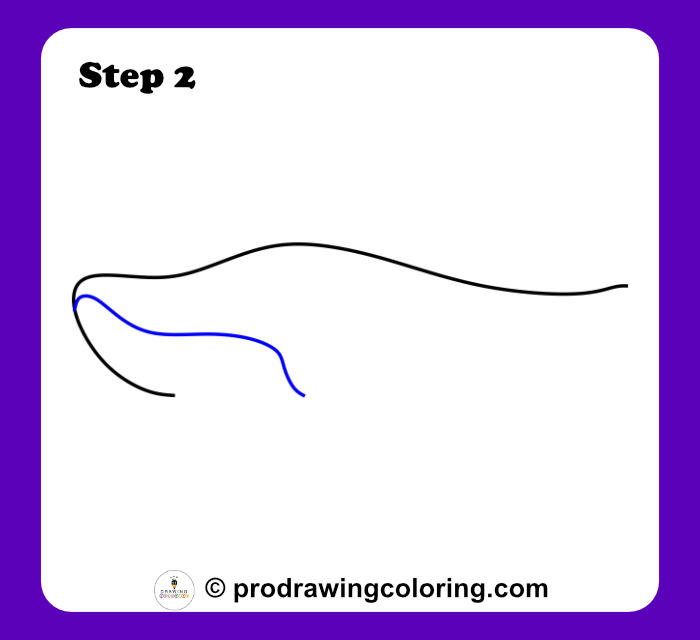
Step 2: Defining the Mouth
Below the snout, add a second curved line that moves inward. This defines the opening of the shark’s mouth and the beginning of its powerful jawline.
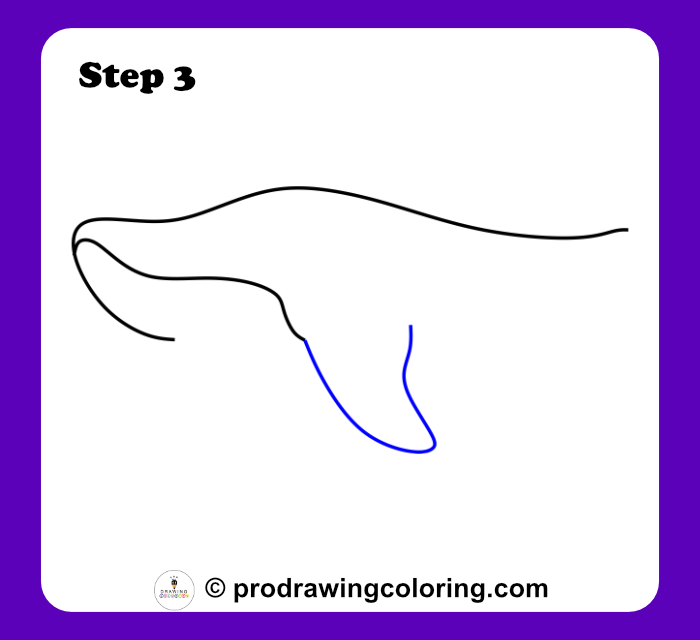
Step 3: Large Pectoral Fin
From the middle of the lower body line, draw a large, sharp triangular shape pointing downwards. This is the pectoral fin, essential for the shark’s balance.
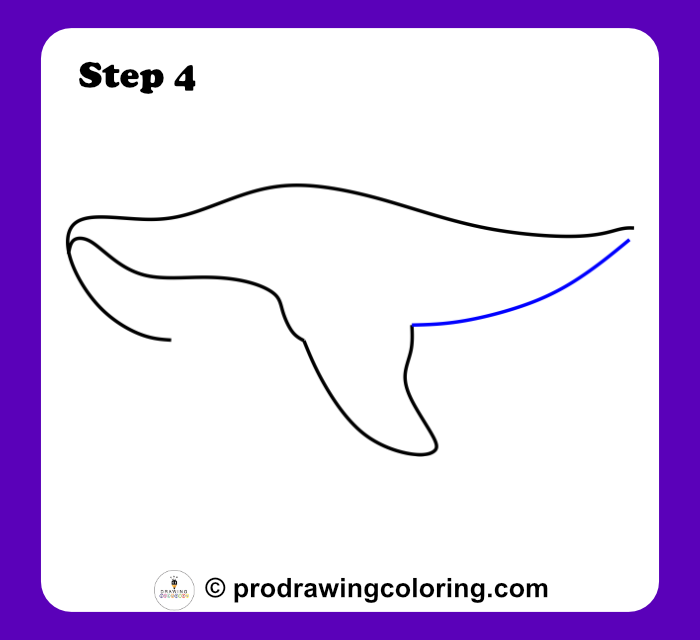
Step 4: The Lower Belly
Extend a long, slightly curved line from the back of the pectoral fin toward the rear. This line forms the bottom of the shark’s body leading to the tail.
Step 5: Completing the Front
Connect the lower jaw to the front of the pectoral fin with a short, rounded curve to close the chest area and complete the front silhouette.
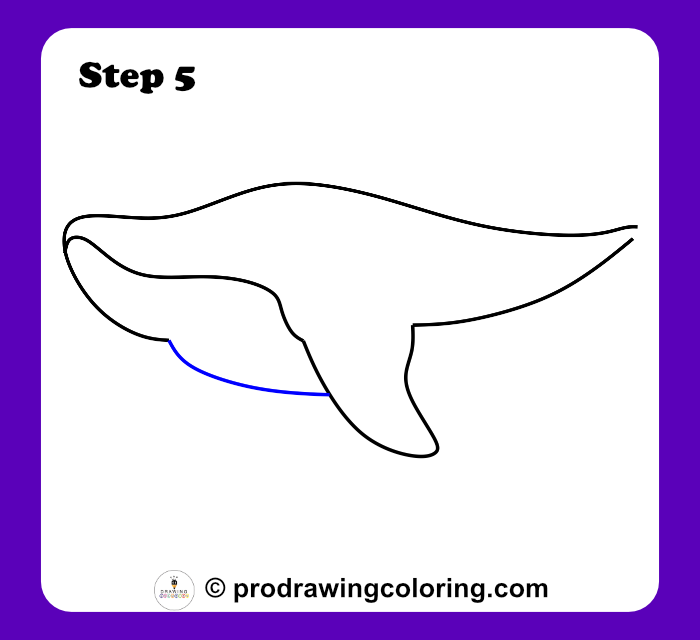
Step 6: Shaping the Tail Base
Draw a line from the end of the belly upward and slightly inward to create the narrow section where the body meets the tail fin.
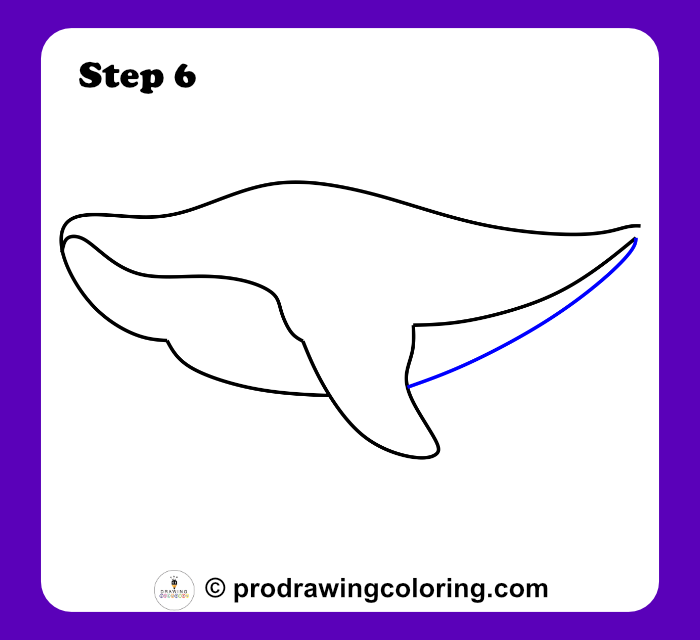
Step 7: Lower Tail Lobe
At the very end of the tail base, sketch a small, pointed fin shape pointing downwards. This is the lower lobe of the shark’s caudal (tail) fin.
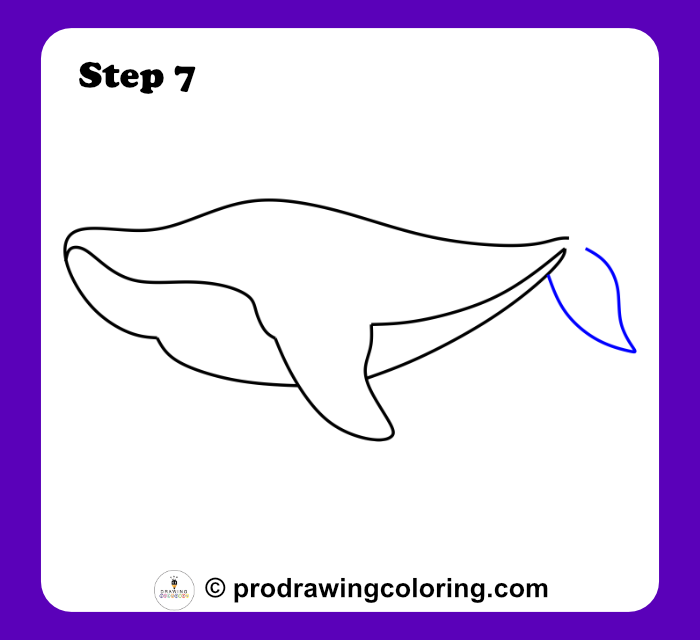
Step 8: Upper Tail Lobe
Draw the larger, sweeping upper part of the tail fin to complete the “V” shape. Add a small horizontal mark on the head to indicate the eye position.
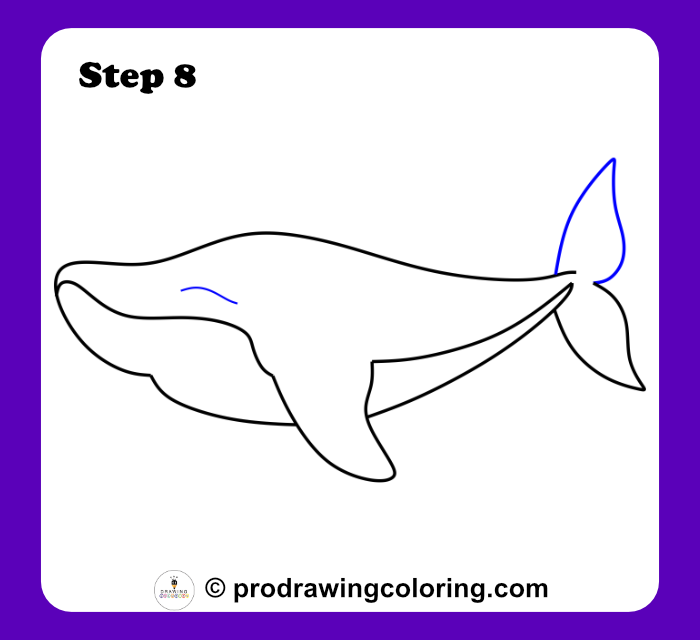
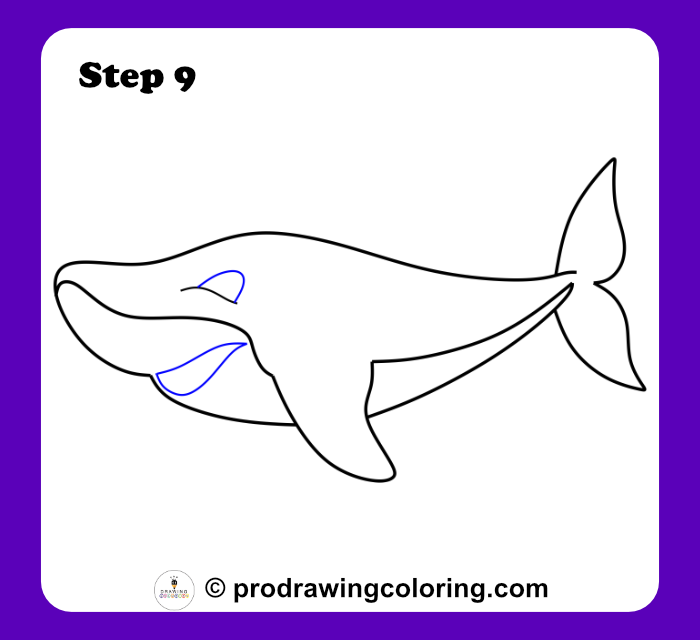
Step 9: Facial Features
Draw a semi-circular eye with a pupil and add an inner line inside the mouth to create depth, making the shark look more realistic.
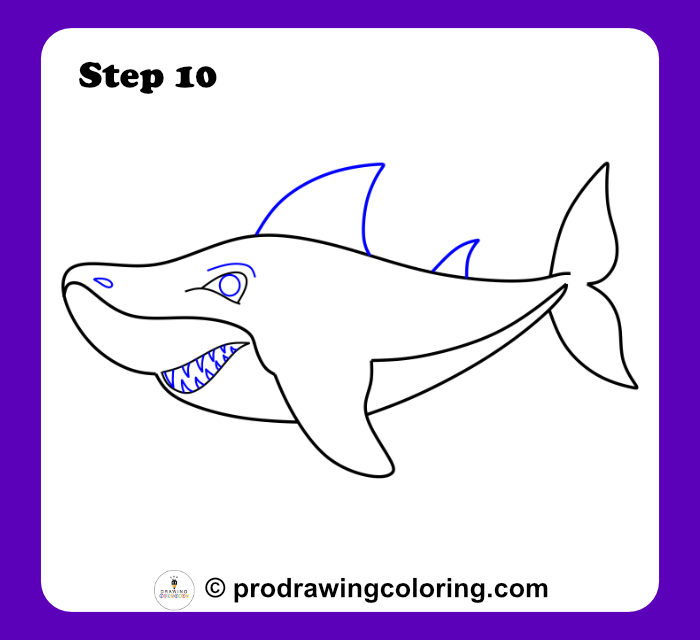
Step 10: Dorsal Fin & Gills
Add the iconic large triangular dorsal fin on the back. Then, draw three or four curved vertical lines behind the head to represent the gill slits.
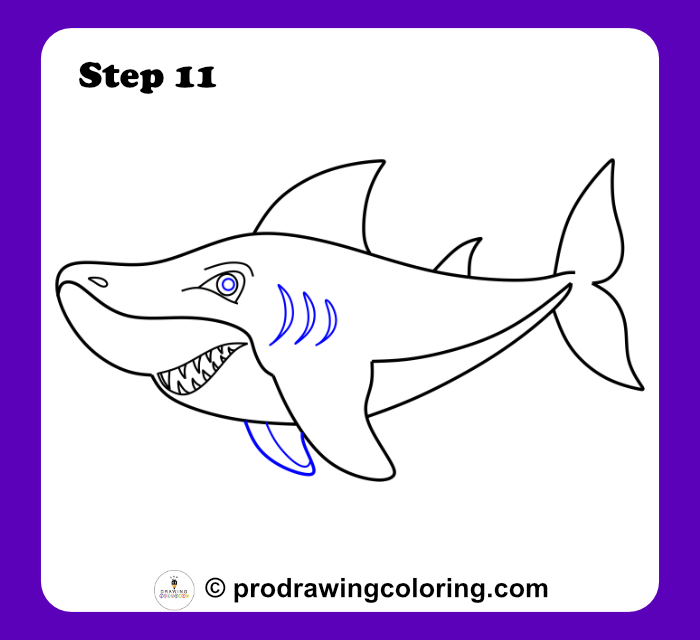
Step 11: Final Details & Teeth
Complete your drawing by adding sharp, triangular teeth inside the mouth, the second smaller dorsal fin, and the pelvic fins at the bottom.
2. Download the Free How to Draw a Shark Practice Pack (PDF)
Boost your progress with our exclusive Pro Drawing Coloring Practice Pack. This free PDF download is designed to take you from a beginner to a confident artist with practical, hands-on tools:
- Step-by-Step Visual Guide: A clear, 11-step breakdown that simplifies the shark’s anatomy, from the first line to the final colored masterpiece.
- Shark Drawing with Grid Method: Master proportions and symmetry easily using our professional A-F / 1-5 grid system.
- Shark Tracing Practice Page: Build muscle memory by tracing the shark’s iconic silhouette before trying it on your own.
- “Your Turn” Final Challenge: A dedicated space to create your final shark drawing, including a “Friends ratings” section to share and score your artwork with others.
About Sharks: Anatomical Reference for Artists
The Shark (superorder Selachimorpha) is a cartilaginous fish and a top apex predator in marine ecosystems. Anatomically, sharks are defined by a skeleton made of cartilage, 5 to 7 gill slits on the sides of the head, and a distinctive dorsal fin. Species like the Great White Shark (Carcharodon carcharias) and the Hammerhead exhibit unique hydrodynamic body shapes, featuring pectoral fins for lift and a caudal fin for propulsion. In art and biological illustration, capturing the denticles (skin) and the ampullae of Lorenzini (sensory organs) is key for scientific accuracy. Mastering these details is essential when learning how to draw a shark with a realistic and professional finish.